Septuagesima Sunday and AIC Bookstore 13

The Collect, Epistle and Gospel readings for Septuagesima Sunday are discussed and illustrated in Episode One in the AIC Christian Education Video series, Gesima: the Pre-Lenten Season. The episode includes explanations of the name, the possible dates and many of the myths about the literal meaning of each name. The season’s usage, and non-usage, in other Christian traditions, especially the Roman Catholic, is also explained. The audio only version of Episode One is linked from the Podcast Archive page. My Podcast Homily for Septuagesima Sunday is linked from the Podcast Homilies page. A second Podcast Homily for Septuagesima Sunday, this one based on the Psalm reading in Morning Prayer, Psalm 18:21-35, is linked from the Podcast Homilies-Morning Prayer page. The abbreviated name “Gesima,” a short transitional season, is derived from a Latin word meaning day or days. The start of “Gesima” season is moveable, with variations based upon the date of Easter. The earliest possible date is January 18th and the latest possible date is February 22nd. In A.D. 2026 the first Sunday in “Gesima” season is February 1st.
The Collect for the Septuagesima Sunday is a composition from the 1549 Book of Common Prayer by Archbishop Thomas Cranmer, based on the Gregorian Sacramentary (10th C.) and also strongly influenced by the late 8th-early 9th C. Vulgate Bible translation by Alcuin of York. Alcuin of York was spiritual advisor to Holy Roman Emperor Charlemagne and the imperial family, Abbot of the Abbey of St. Martin of Tours, and author of the Collect for Purity in the Anglican Holy Communion liturgy. The complicated relationship between Alcuin and Charlemagne, and the results of their joint effect upon the development and spread of Christianity in Western Europe was the subject of my Blog post for 3/16/2024. The entry is linked from the Archive column (under March 2024) at right.

The Epistle reading, 1 Corinthians 9:24-27, is the 4th of four lessons by St. Paul’s focused on the theme of the Christian Virtues. The concept of “virtue/virtues” in the Christian Tradition and its development in both the Western and Eastern Church is explored in the AIC Bookstore Publication, Layman’s Lexicon, which was featured in the blog post on 10/18/2025 for Seventeenth Sunday after Trinity (linked from the October 2025 entry in the Archive column at right).

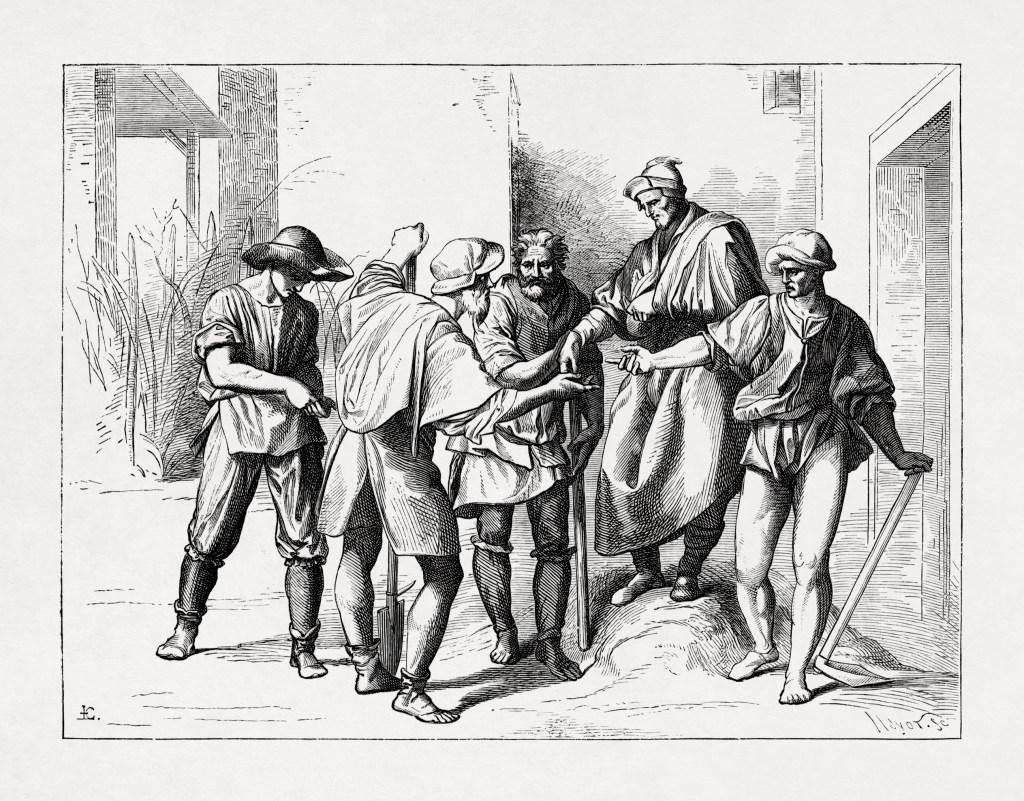
The Gospel reading, Matthew 20:1-6, the fourth so far in A.D. 2026 from the Gospel of Matthew, is the Evangelist’s account of the Parable of the Laborers in the Vineyard. The image below is a 16th C. depiction of the event. An 11th C. depiction of the lesson, with color and more detail, from the Codex Aureus of Echternach, was used in my Blog posts for Feb. 18th, 2025 and Jan. 18th, 2019, both linked from the Archives column at right. The Codex Aureus of Echternach version also appears in the AIC Bible Study Video series, The New Testament: Gospels in Episode Six, using a copy from the Yorck Project: 10,000 Masterworks. The Yorck Project offered quite literally 10,000 images from around the world in both the civil and religious world. The project’s several authors released the images in their DVD into the Public Domain.

The Parable of the Laborers in the Vineyard, engraving after a pen and ink drawing, Andrea del Sarto (also known as Andrea d’Agnola), Florentine artist, 16th C. © Coatchristophe|Dreamstime.com.

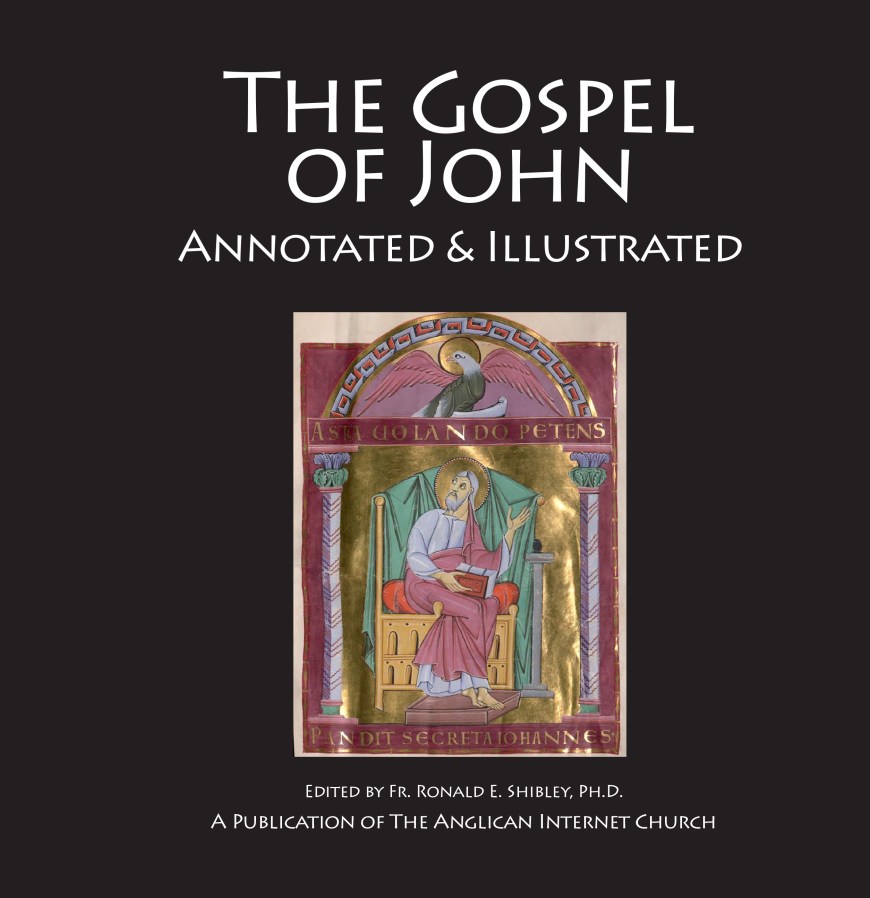
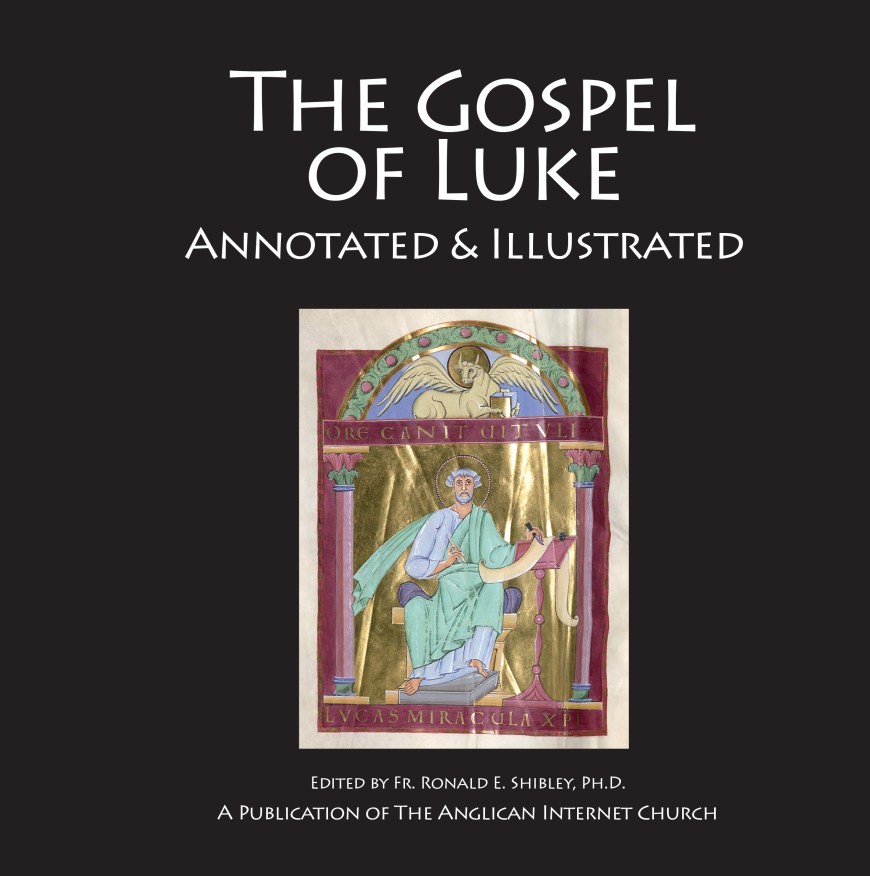
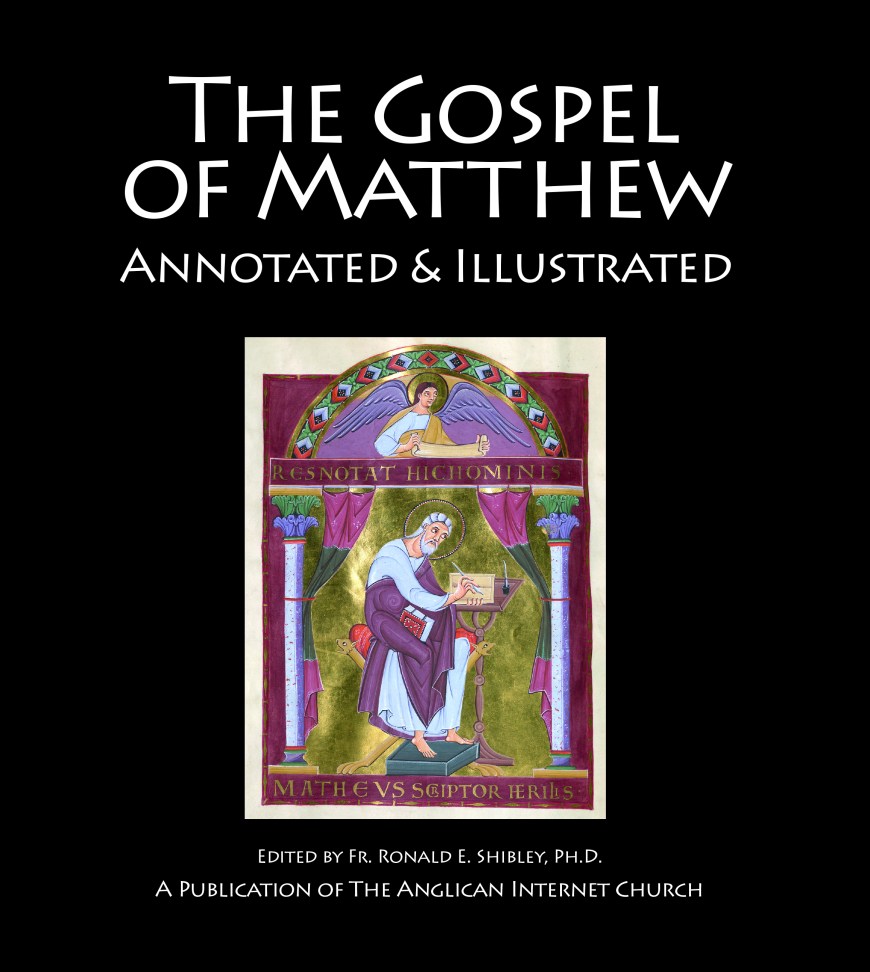
This week’s AIC Bookstore Publication is The Gospel of Matthew: Annotated & Illustrated, one of five volumes in our Christian Education: New Testament series. The book is one of twelve printed in the large page format (8.5″ x 8.5″). The format allows for larger images from historic Christian art, wider margins and larger type faces for body text. Three other volumes in the large page format were the subject of my Blog posts in 2025 for 11/15, 11/22 and 11/27. All three are linked from the Archives column.

Matthew Writing His Gospel, a miniature illumination in gold and egg tempera on parchment, Pericope Book of Henry II (1007-1012), the last of Ottonian successor to Charlemagne, produced at Reichenau Monastery, Reichenau, Germany, Ms. Clm 4452, Folio 3v., Bayerisches Staatsbibliothek, Munich, Germany. CC-by-SA 4.0.

The book includes the entire text, with commentary, of the Gospel of Matthew, set in the text of the New Kings James Version. There are thirteen “special text boxes,” including The Art of Illumination of Scripture; A Guide to Reading the Gospel of Matthew; The Holy Spirit in the Gospel of Matthew; Angels in the Gospel of Matthew; Parables in the Gospel of Matthew; The Christian Virtues and Their Opposites; and Samara and Samaritans in the Gospel of Matthew. The book’s 117 illustrations are from the 6th through the early 20th C. 278 pages, including full Bibliography, detailed list of Sources of Illustrations and summary information about other AIC Bookstore Publications. $65.oo. The book is available exclusively through our Virtual Bookstore (which is Fr. Ron’s Author Central page on Amazon.com). Portions of the text of St. Matthew’s Nativity, Resurrection and Post-Resurrection narratives also appear in our two Seasonal publications, Christmas: The Nativity of Our Lord in Scripture, Art & Christian Tradition and Easter: the Resurrection of Our Lord in Scripture, Art & Christian Tradition. Both volumes are also printed in the 8.5″ x 8.5″ format.

During January A.D. 2026 I have continued searching historic archives for additional examples of Christian art depicting scenes which are the subject of the Gospel lessons later in the year. I have also been busy updating and sorting our catalogue of nearly 3,000 images, all with their own detailed entries in an Excel spreadsheet. In the spreadsheet they are categorized first by subject. Each entry includes the source, background, whether Public Domain or copyright protected (with author or source indicated), and where each is filed in the AIC’s records. Even more detailed information about each entry is also listed, where available, in seventeen notebooks labelled “Picture Sources.” I am especially grateful to the helpful staff at the British Library for the continued digitization of the Library’s vast collection. The British Library is still recovering from an assault on its resources in 2024 A.D., which resulted in the destruction of or damage to many valuable cross-references, and previously-digitized material. Many resources used in AIC Bookstore Publications are no longer available to the public. Many sources require expensive re-photographing. The AIC remains committed to keeping these valuable resources available, on-demand, in one or more of the WATCH-LISTEN-READ formats and, except for the Bookstore Publications, free of charge.

As always, thank you for your interest and support. Glory be to God for all things! Amen!
Third Sunday after Epiphany, the Conversion of St. Paul and AIC Bookstore-Part 12

Welcome to my Blog post for Third Sunday after Epiphany, the last of three Sundays following Epiphany Day in A.D. 2026. Sunday, Feb. 1, will mark the beginning of the three “Gesima” Sundays (or Pre-Lent season). The “Gesima” Sundays offer a transition in tone and content before the start of Lent on Sunday, February 22nd.

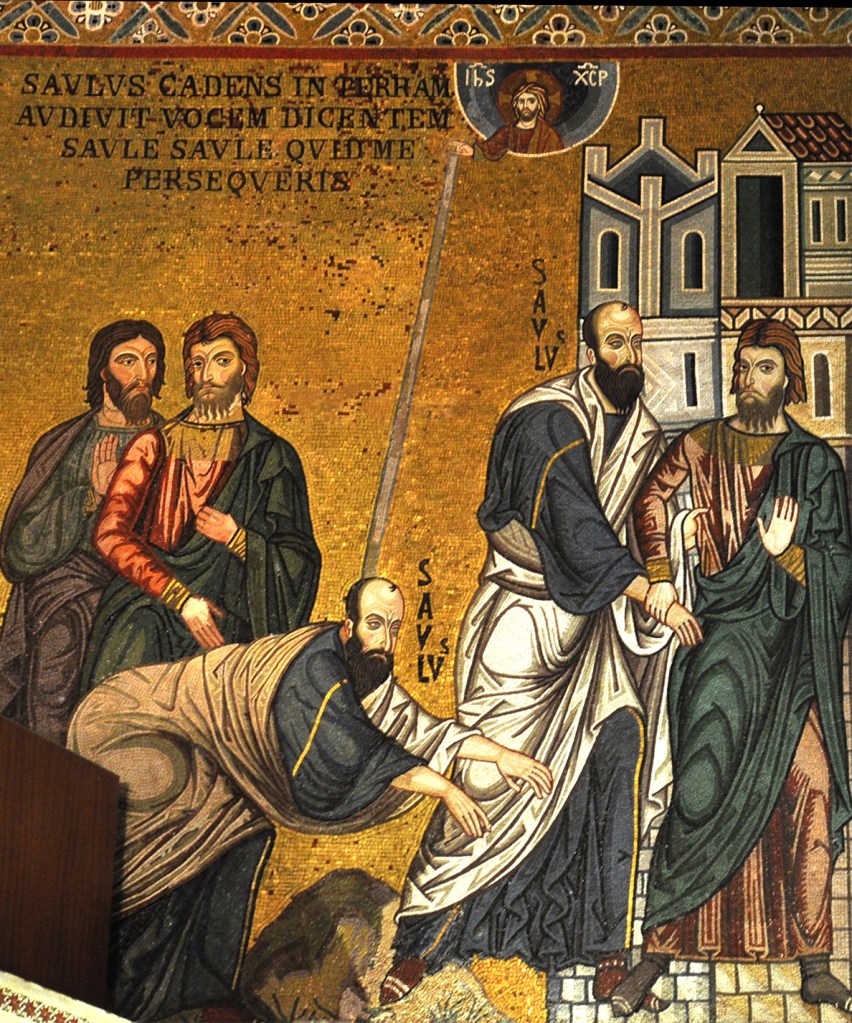
In A.D. 2026, Sunday, January 25th, is also the appointed fixed day honoring the Conversion of St. Paul, a pivotal event in the history of the Church Universal. Below is a remarkable mosaic depicting the event (left) and its immediate consequences (right), of the blinded St. Paul led away, with Christ in a semi-circle at top right. The Collect for the Conversion of St. Paul refers to Saul/Paul as one who “caused the light of the Gospel to shine throughout the world.” The event and the unique legacy of one of Christianity’s most fervent defenders, is discussed and illustrated in more detail in Episode Five in our Christian Education Video series, The Lives of the Saints, Volume 1 – the 1928 B.C.P. Saints. All sixteen episodes in the series are linked from the Digital Library page. The audio track of Episode Five is linked from the Podcast Archive page.

The Conversion of St. Paul, mosaic, Capella Palatina, Palermo, Sicily, commissioned by the first Norman king of Sicily, Roger II, in 1132 A.D. The mosaics were completed between 1140 and 1170 A.D. Public Domain, World Gallery of Art.

I discuss and illustrate the readings for Third Sunday after Epiphany in Episode Three on our video series, Epiphany: The Manifestation of Christ to the Gentiles. The audio version of the Episode Three is linked from the Podcast Archive page. My Podcast Homily for Epiphany 3 is linked from the Podcast Homilies page. Another Podcast Homily, this one derived from the Psalm readings in Morning Prayer for the day, Psalms 42 and 43, attributed to the Sons of Torah, is linked from the Podcast Homilies-Morning Prayer page. In the Hebrew worship tradition, Psalm 43 was spoken aloud by the priest upon approach to the altar.

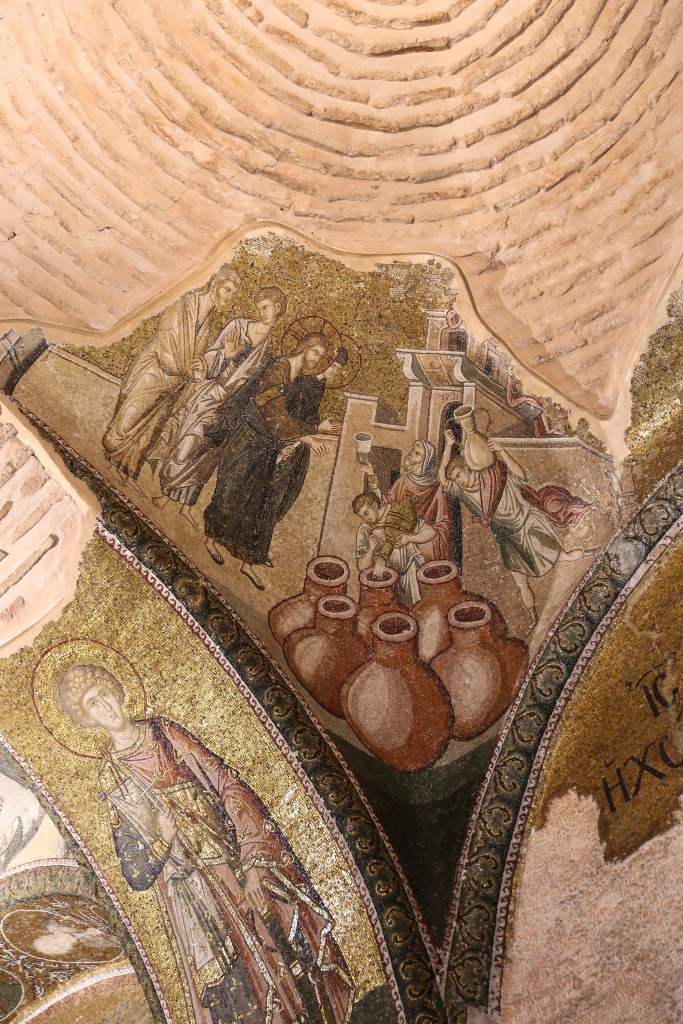
The Miracle at Cana, Byzantine mosaic, Outer Narthex, Chora Church, Constantinople/Istanbul, early 14th C. The image is positioned in a pendentive above the Christ Pantokrator image (visible at lower right) over the door to the passage between the Outer and Inner Narthex. © Evren Kalinbacak|Dreamstime.com

For the occasion, Archbishop Cranmer prepared a Collect based upon the Gelasian Sacramentary in a version strongly influenced by the late 8th-early 9th C. translation of the Vulgate Bible by the Blessed Alcuin of York. Alcuin was the author of the Collect for Purity in the 1928 Book of Common Prayer, spiritual advisor to Holy Roman Emperor Charlemagne and teacher of Christianity to the Emperor’s family, and Abbot of the Abbey of St. Martin of Tours in France. The Epistle reading, Romans 12:16-21 is the third of four teachings of St. Paul on the Christian Virtues. The reading ends with the advice to “overcome evil with good.” The Gospel reading, John 2:1-11, is St. John’s account of the Wedding at Cana, or, in St. John’s words, “the beginning of the miracles did Jesus in Cana of Galilee.”

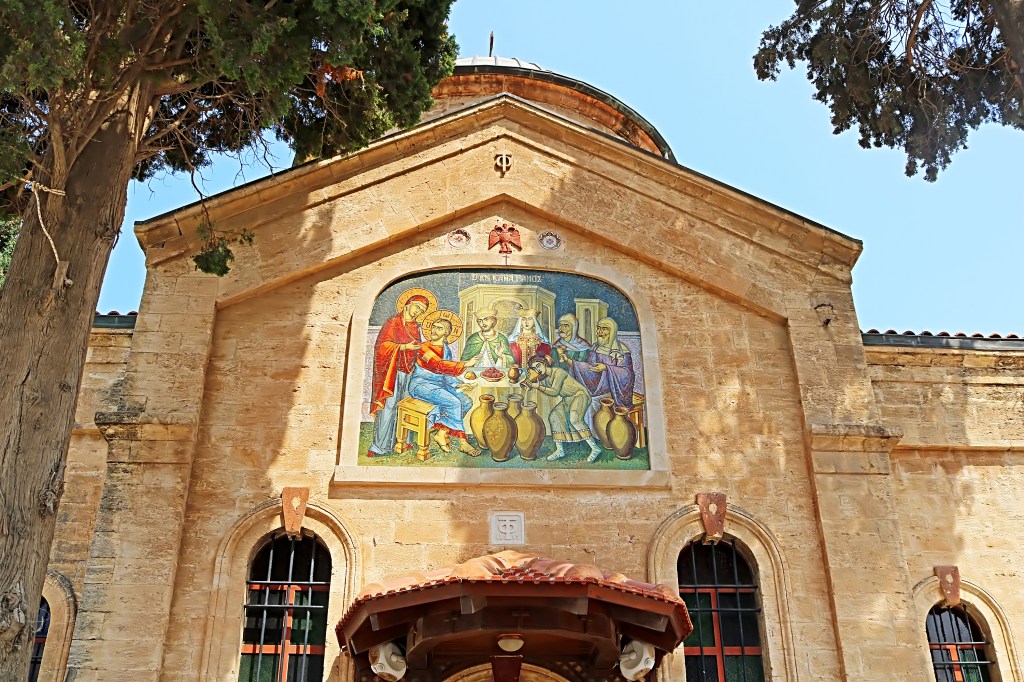
This important symbolic event is honored in the Galilee by several churches claiming to be on the site of, or near the historic location of, the Wedding, including a Greek Orthodox “Wedding” Church in Kfar Kana, which claims to possess two of the jars used in the wedding. The Greek church features an image of the event over its front door. It is near a similar “Wedding Church” owned by the Franciscans. © Gelia|Dreamstime.com.

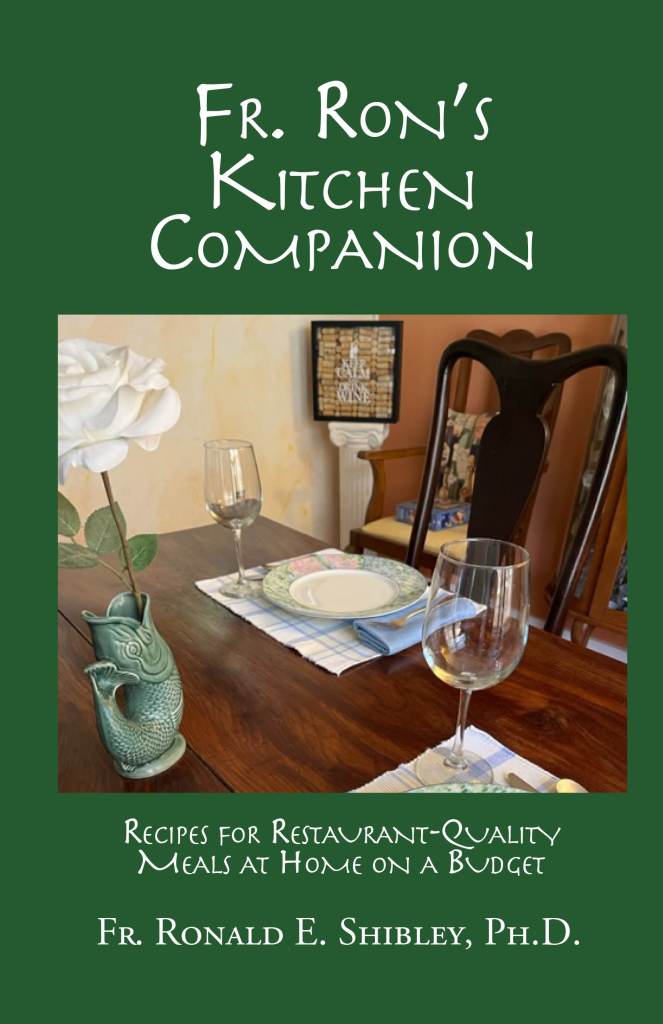
This week’s focus among the AIC Bookstore Publications is Fr. Ron’s Kitchen Companion. The book evolved out of several sources over several decades, beginning with the first version (produced in the early 1980s for a former employee off to college and, later, for my daughter in her first apartment at college). It emerged in a greatly-expanded form for use by my former parishioners, most of whom were living on limited incomes. The current edition, the 9th, dates to 2024, when all the Bookstore publications were updated. The books was given a new cover and expanded content as part of the celebration of the start of the AIC’s second decade on the web.

The book’s sub-title, is self-explanatory. Inside the volume is a list of essential seasonings, some easily available, some which must be ordered from Amazon or other vendors. It is what I label as a backwards cookbook, with the recipes, grouped by protein source, organized to help decide what to do with a particular ingredient; examples: Beef: steak? stewed? ground? skewered? The book is worth the purchase price based on just a few key recipes, including my time-tested recipes for Classic Southern Pot Roast, Hawaiian “Mochi” Chicken and Byzantine Eggplant Moussaka. I hope to produce an updated version of the ingredients list and some new recipes later in A.D. 2026. The revised version also would add sources for some of the Hawaiian-sourced seasonings discovered during or after the trip my wife and I took to Maui at mid-year A.D. 2025. The cover image was arranged and photographed by Corinne (Corkie) Shibley.

As always, thank you for your interest and support. Glory be to God for all things.

Second Sunday after Epiphany and AIC Bookstore, Part 11

Welcome to the second of three posts for the Sundays after Epiphany in A.D. 2026.

The Collect (Gregorian), Epistle (Romans 12:1-6) and Gospel (Mark 1:1-11) readings for Second Sunday after Epiphany are discussed and illustrated in Episode Three in the AIC Seasonal Video series, Epiphany: The Manifestation of Christ to the Gentiles. The audio version of Episode Three is linked from the Podcast Archive page. My Podcast Homily for Second Sunday after Epiphany is available on the Podcast Homilies page. My Morning Prayer Podcast Homily for Second Sunday after Epiphany, with commentary and reading of Psalms 22 and 29, is linked from the Podcast Homilies-Morning Prayer page.

The Collect for Second Sunday after Epiphany, another composition by Archbishop Cranmer based upon the Gregorian Sacramentary, includes a plea to Almighty God to hear “the supplications of thy faithful people.” The Epistle reading, Romans 12:6-12, is the second of a sequence of four readings from Romans on St. Paul’s understanding of the Christian virtues during Epiphany season.

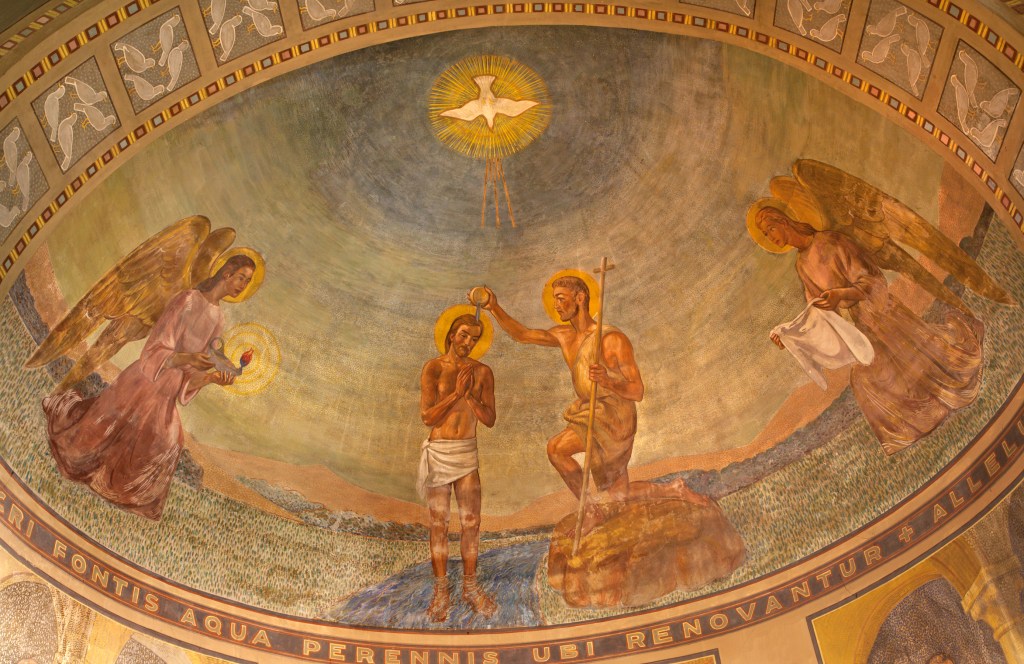
Baptism of Christ, fresco, Chiesa di San Agostino, Milan, Italy. The fresco is a 20th C. reproduction of the original mosaic which was destroyed by bombing during World War II. © Jozef Sedmak | Dreamtime.com.

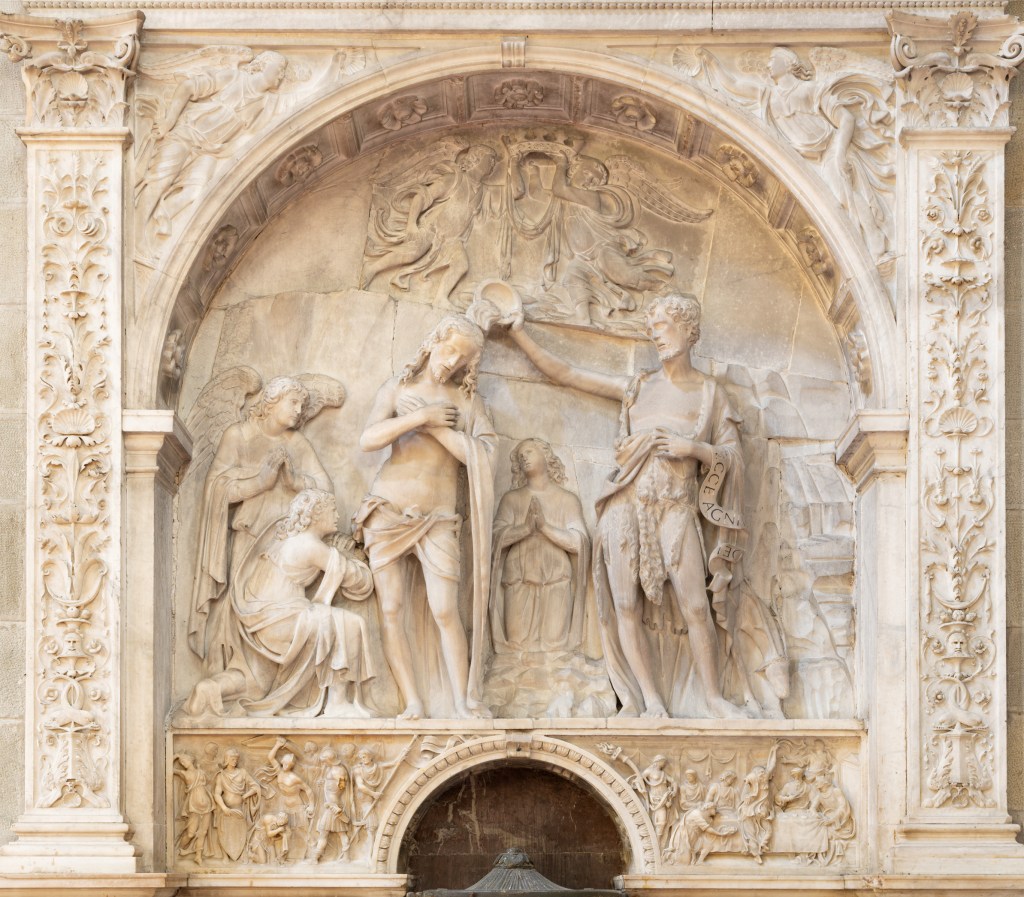
The Gospel reading, Mark 1:1-11, is St. Mark’s account of the baptism of Christ, presented in the context of the fulfillment of Old Testament prophecy (verse 3) and the importance of John the Baptist, the last prophet of the Old Testament, as the “forerunner,” appropriately placed at the start of Jesus’ earthly ministry.

Baptism of Christ, marble bas relief, Benedetto da Maiano, San Zeno Cathedral, Pistoia, Tuscany, Italy. © Jozef Sedmak | Dreamtime.com

Sr. Mark describes the simultaneous presence of all three divine persons of the Holy Trinity: the Father, the Son and the Holy Spirit (the latter as the dove who speaks (verses 10-12). The same verses are pictured in Illus. No. 24 of a stained glass window by Franz Mayer of Munich in the AIC Bookstore Publication, Paintings on Light: The Stained Glass Windows of St. Joseph’s Villa Chapel, discussed in the post for First Sunday after Epiphany (1/5/26), linked from the Archive column at right.

The focus of this week’s installment of my commentary on the AIC Bookstore Publications is Occasional Services for Anglican Worship. Presented in 198 pages in our 5.5″ x 8.5″ black & white format. The volume includes the text of offices not provided for in the 1928 Book of Common Prayer. The include a) Holy Communion in the style of the 1549 Book of Common Prayer, a text I produced at the request of former UECNA Archbishop Stephen C. Reber, at whose direction a text of the Decalogue, harmonization of the offertory text with the 1928 Book of Common Prayer version and two additional Propers were included; b) a Christmas Eve suite in three parts: the Great “O” Antiphons for Dec. 12 to Dec. 24; Midnight Mass for Christmas Eve/Christmas Day with parts of Evening Prayer, and a Midnight Office for Christmas Eve, commonly known as Visits to the Crib; c) Holy Communion for Maundy Thursday using my 1549 version; d) In the Cross of Christ I Glory, prayers and responses for Good Friday, with each section based on the Seven Words from the Cross, 1940 Hymnal & St. Chrysostom Hymnal; e) Easter Morning Office, a Sunrise service for use either outside or inside at dawn on Easter Sunday; f) Ascension Day Office, including music for A Hymn of Glory Let Us Sing; g) Holy Communion for Transfiguration Day, using the 1549 BCP); h) Hours Offices for First Hour, Sixth Hour & Compline; i) A Litany for Healing; and, finally, j) an Advent Wreath Ceremony, a four-part verse and response originally composed by the late UECNA Archdeacon George McClellan.

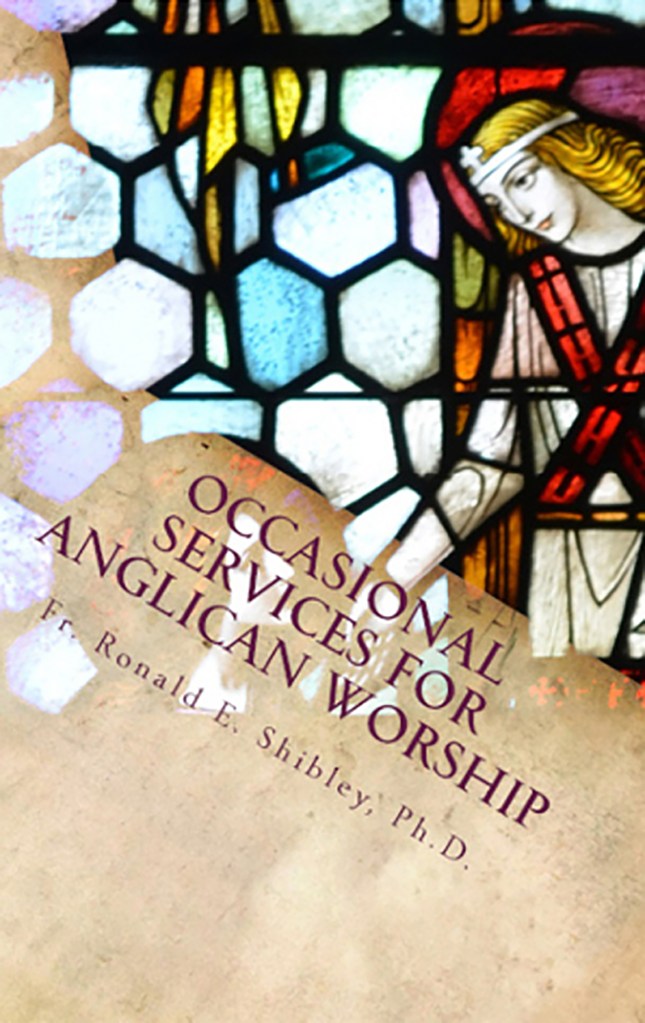
The cover image (see above) is a detail of the stained glass window for the Annunciation to the Blessed Virgin Mary at St. Joseph’s Villa Chapel. The full image is Illustration No. 54 in the AIC Bookstore Publication, Paintings on Light: the Stained Glass Windows of St. Joseph’s Villa Chapel. The book was featured in my Blog post for 1/9/26, which is linked from the Archive column at right.

This week, as part of the continuing effort to make this site easier to navigate using the built-in links at the top and bottom of all pages, I have made some corrections. These are: a) fixing broken links on the Podcast Archive and Bible Study pages; b) editorial changes to line spacing and other technical details on the Digital Library and Podcast Archive pages; c) adding the cover image and summary text for Christian Spirituality: An Anglican Perspective (highlighted in my 12/5/25 blog post),which was missing from the AIC Bookstore page. We aim to provide access to teaching and learning materials in all three forms: watch/listen/read.

As always, thank you for your interest and support. Glory be to God for all things.

Second Sunday in Advent & AIC Bookstore Preview, Part 8

Advent, the season of both penitence and preparation, continues on Sunday, Dec. 7. As with other Sundays in Advent, I continue with a theme word or phrase. For Second Sunday in Advent my Podcast Homily is focused on the “Fire of Judgment.” For those who prefer visual imagery, the commentary for Second Sunday in Advent is available (paired with First Sunday in Advent) on the Digital Library page. The commentary comes from our Seasonal Video series: Advent: the Season of Penitence & Preparation. The Digital Library pages offers access to the Seasonal Video series not only for Advent but also Christmas, Twelve Days of Christmas, Epiphany, “Gesima,” Lent, Easter, Good Friday, and Trinitytide (including Trinity Sunday).

For Second Sunday in the newly-created season of Advent, Archbishop Cranmer wrote an original Collect, first published with the 1549 Book of Common Prayer. The Collect includes the only reference to God in the Book of Common Prayer collects as “Blessed Lord.” As in previous years, I offered an image of Christ-in-Majesty which was produced circa 700 A.D. at a Benedictine monastery in Wearmouth-Barrow, Northumbria, England. The volume containing the image has been at the Laurentian Library, Florence, Italy, since 1786 A.D. For this post, the size is small because I have not found a higher resolution version that would not “pixilate” when enlarged.. The term “Christ-in-Majesty” is a Western Church name that is comparable to the Eastern Church’s use of Christ Pantokrator, which is roughly translated as Ruler of the Universe, but can also be interpreted as “He who does whatever He wishes.”

Christ-in-Majesty with angels and evangelists, frontispiece, Codex Amiatinus, folio 796v, early 8th C.. Laurentian Library, Florence, Italy. Public Domain.

Continuing the preview of important volumes among the AIC Bookstore Publications, the focus for Second Sunday in Advent A.D. 2025 is Christian Spirituality: An Anglican Perspective. This volume is the first in this series of previews which is printed in black & white only in the traditional 5.5″ x 8.5″ format. All the earlier books are full color printed in the 8.5″ x 8.5″ format, which enhances the color illustrations, allowing for larger, full page images.

I wrote this volume during my service at St. John Chrysostom Anglican (now closed) to answer commonly-asked questions from both parishioners and those inquiring about membership. List the parts here. 144 pages with 18 illustrations (including the cover image of Christ as the Lamb of God, St. Paul’s Church, Halifax, Nova Scotia (copyright Can Stock Photo, Inc./onepony).

The subject of “spirituality” can be confusing. In this book I explain it in the context of Anglican worship using the 1928 Book of Common Prayer, which descends from the first prayer book in English published in 1549 in time for Trinity Sunday. The volume is divided into five parts. In Part One, I explain the “first premise” of Christian Spirituality: which is the reality of evil in the world, and, second, its corollary: God’s eternal truth as the only antidote and place it in the context of the writings of two Anglican clergymen: Archbishop Thomas Cranmer and the Blessed Lancelot Andrewes, Chaplain to Elizabeth I and James I and a member of the supervisory team which prepared the King James Bible.

In Part Two, the explore the many ways which mankind can “see” the face of the Almighty God. In Part Three, I explore the true meaning of the phrase: “Blessed is the man…Blessed are….” and their many variations in the Book of Psalms. In Part Four, I explore another phrase, also based on the Psalter: “Put not your trust in princes….” through study of three stages of prayer: of words; of the mind; and of the heart; and offer ideas on developing one’s own catanae, or prayers based on Scripture; offering apostolic wisdom based on the words of two pair of saints: Peter and Paul; James and John. In Part Five, “A Primer on Using our Resources,” I explain how to use the resources available through links on the AIC web site including media based on the written word, the spoken word or, in a combination of the two, in visual media. All book royalties are contributed to the AIC. Learn more about Christian Spirituality: an Anglican Perspective, available through my Amazon Author Central page, and about all our publications on the AIC Bookstore page.

Next time, I will explore both Third Sunday in Advent and another 5.5″ x 8:5″ volume. As always, thank you for your interest and support. Glory be to God for all things! Amen!
Trinity 22 & AIC Bookstore – Pt. 5

My Fr. Ron’s Blog post for Trinity 22 was posted on October 25th, A.D. 2024. The episode is linked from the Archives column at the right side of the page. I discussed the Collect, based on the late Gregorian Sacramentary (10th C.), St. Paul’s epistle to the congregation at Phillipi (Philippians 1:3-11) and St. Matthew’s account of Jesus’ lesson on the Unforgiving Servant (Matthew 18:21-35) with first half, 17th C. art work by Claude Vignon. These readings were also discussed in Episode Eight in our Christian Education video series, Trinitytide: the Teaching Season. The podcast version of Episode Eight is linked from the Podcast Archive page. Additionally, the Podcast Homily for Morning Prayer on the Twenty-second Sunday after Trinity is also available.

This week’s post continues my focus on the unique books available in the AIC Bookstore, on this occasion focusing on the first of two books on the Church’s two major seasons, Easter and Christmas. Here, near the start of Advent in A.D. 2025, I present more about Christmas: The Nativity of Our Lord in Scripture, Art & Christian Tradition. This resource would be a great gift to any Christian this year. The volume is available only through my Amazon Author Central page.

Cover image, a stained glass interpretation at an unspecified location, copyright Waamel|Dreamstime.com.

The book was first published at Christmas, A.D. 2023. Art work includes 113 illustrations from the 5th to the early 20th C., including mosaics, icons, frescoes, stained glass, paintings, watercolors and two maps: Palestine in the Time of Christ and an 1835 Plan of Jerusalem. This 173-page high-quality paperback is divided into five parts. Part One includes text and commentary on St. Luke’s unique pre-Nativity account (Luke 1). Part Two continues with text and commentary on St. Luke’s version of the actual Nativity and his transition to post-Nativity events (Luke 2). Part Three includes text and commentary on St. Matthew’s version of the Nativity through the flight to and return from Egypt (Matthew 1 & 2). Part Four is focused on two pre-and post-Nativity traditions with art related to The Great “O” Antiphons (for Dec. 18th to 24th) and The Twelve Days of Christmas (with a theme words or phrases for Dec. 25th to Jan 5th). Part Four includes examples from the AIC’s two video and podcast series of the same name. Part Five, Christmas Traditions from around the World, includes discussion and illustrations of gift-giving, Dickens’ A Christmas Carol, Christmas cards, the Three Kings tradition, Christmas music and foods, including Corkie Shibley’s recipe for my grandmother’s Sugar Cookies.

With its unique format and content, this volume will enhance anyone’s personal library of Christian resources. Next time, my focus will be on Easter: The Resurrection of Our Lord in Scripture, Prayer & Christian Tradition.

As always, thank you for your interest and support. Sales of these volumes help keep the Anglican Internet Church’s unique resources available online, mostly free of charge. All book royalties are donated, as received, to the AIC. Glory be to God for all things! Amen!
Trinity 19 & the AIC Bookstore, Part 2

My Father Ron’s Blog posting for Trinity 19 was placed online on 10/4/2024. I commented upon the origin of the Collect (Gelasian w/amendment in the 1662 BCP, St. Paul’s discussion of Christian virtues in the Epistle reading (Ephesians 4:17-32) and the Gospel lesson (Matthew 9:1-8, the fifth of nine readings from St. Matthew in Trinitytide). The post is linked within the right column on the Fr. Ron’s Blog page.

This week’s post is focused on two related volumes from the AIC Bookstore. Both books grew out of my local ministry in Richmond, VA and surrounding area. Since our ministry received no financial support from any Anglican jurisdiction, we needed to find ways of reaching people at the lowest possible cost, with newspaper advertising, of doubtful value in any situation, being out of the question.

The original version of Prayers in the Christian Tradition was printed on my office laser printer on 8.5 x 11 letter paper, with four pages on each side. The paper was folded in half on the short axis, then folded again across the long axis, cut into four pages which were then collated and stapled together, with finished pages The completed book fit comfortable into a shirt or suit coat pocket, so that the prayers could be read anytime, anyplace, including lunch break at work, on a bus or subway, waiting in a doctor’s or lawyer’s waiting room. It sold for a mere $5.00, but was most often given to expressing an interest in Anglican worship. The version now available was reformatted into a size compatible with KDP Publishing’s standard book sizes. A new color cover was designed by Corkie Shibley. The volume includes prayers from the 1st to the 20th C. The index of sources include Saints & Blesseds, Bishops & Archbishops; Prayers and Offices (by Name and by Origin); Other People and Places; plus a complete Scripture index divided into Old Testament and New Testament sources.


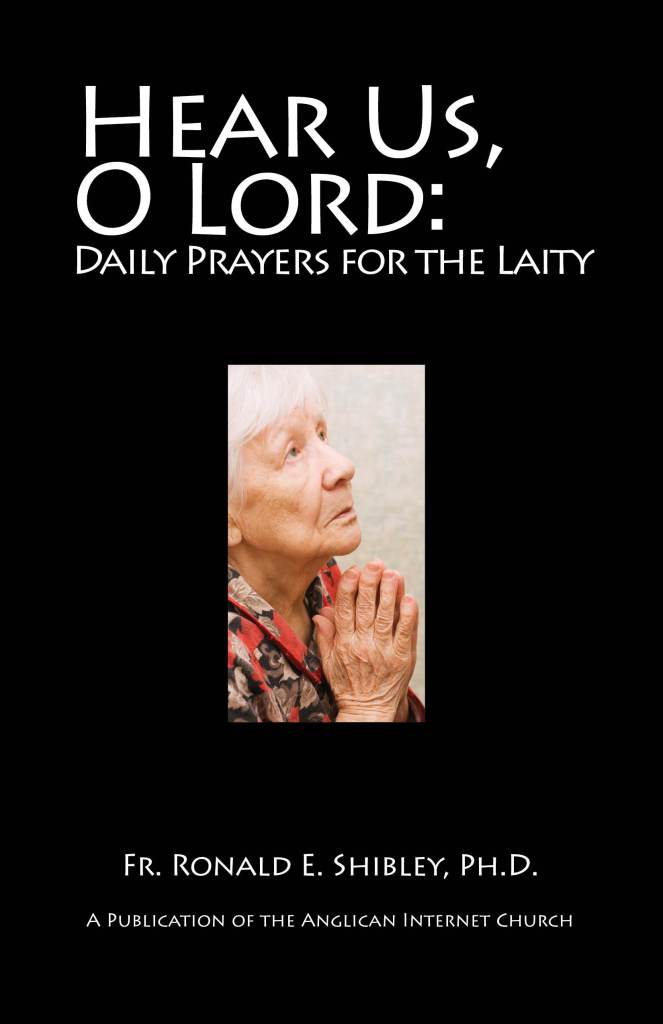
The second book, Hear Us, O Lord: Daily Prayers for the Laity is divided into three sections: Awesome Prayers to Our Awesome God (which also traces to my earliest ministry in Richmond) which are offered in six sections, based on topic or focus: Praise & Thanksgiving; Protection & Deliverance; Penitence; Righteousness; Songs of Praise; and Other Prayers. Part Two, Little Prayers: Catenae on the Psalms, offers short prayers based on just one Psalm; catanae (meaning short prayers based on Scripture) on single Psalm, and Catanae based on multiple Psalms. Part Three, Daily Prayers for the Laity, was developed based on the traditional Church practice of prayers spoken at fixed times of the day, or the Hours: First Hour (sunrise or 6 AM); Third Hour (9 AM); Sixth Hour (Noon); Ninth Hour (3 PM); Vespers (traditionally 5 PM or local sunset); and Compline. Hours offices have a defined pattern: Invocation; First Prayer (from Scripture); the General Confession; the Lord’s Prayer; followed by a sequence of “Chapters” (two through six) based on a New Testament verse); Antiphons (or verse and response readings; a Psalm reading; and two closing verses and responses. Since no blessings is conferred, these can be said by anyone, layperson or clergy. In my household these said on Sundays when we do not attend for parish worship. This compilation includes a short explanation of the origin of “offices” and are based upon prayers from many Western and Eastern Church traditions including Anglican, Roman Catholic, Syrian Antiochian, and several Eastern European Orthodox traditions, including Russian. Should an ordained person be present, a text for an Absolution and Benediction are included.

Like all the AIC Bookstore Publications, these volumes are printed on demand and sold through my Amazon Author Central page, with all book royalties contributed to the AIC.

As always, thank you for your interest and support. Glory be to God for all things! Amen!
A THIRD RESOURCE: NINTH HOUR

From the AIC Bookstore Publications archive I am today posting a third resource which I hope will be helpful to those under stress in these troubled times. The office for Ninth Hour is the third traditional daily office. In Anglican practice, hours were discarded in favor of Morning and Evening Prayer. My version of Ninth Hour has been “Angiicanized” from many ttaditions across the centuries. The office does not require clergy to be present and can be said by anyone, singly or in a group. If a group, the words in bold type are said by all or in response to the leader.

Sixth Hour(12 Noon)

The Invocation

IN the name of the Father, and of the Son, and of the Holy Spirit, one true God, to whom be glory and upon us mercy and compassion for ever and ever.  Amen.

The First Prayer [Early Eastern Orthodox Prayer]

Almighty Saviour, who at noonday called Thy servant Saint Paul to be an Apostle to the Gentiles: We pray Thee to illumine the world with the radiance of Thy glory, that all nations may come and worship Thee.  Amen.

A General Confession

Let us pray

 I confess to God the Father Almighty, to His only-begotten Son Jesus Christ our Lord, and to God the Holy Ghost, and before the whole company of heaven, that I have sinned exceedingly, in thought, word, and deed, through my fault, through my own fault, through my own most grievous fault. Wherefore I beseech God the Father Almighty, His only-begotten Son Jesus Christ our Lord, and God the Holy Ghost, to pity me, and to have mercy upon me.   The Almighty and merciful God grant to us pardon, absolution, and remission of all our sins. Amen.

The Lord’s Prayer [Luke 11:2-4]

OUR Father, who art in heaven, Hallowed be thy Name. Thy kingdom come. Thy will be done, On earth as it is in heaven.  Give us this day our daily bread. And forgive us our trespasses, As we forgive those who trespass against us. And lead us not into temptation, But deliver us from evil.  Amen. 

The First Chapter [1 John 4:16]

God is love; and he that dwelleth in love dwelleth in God and God in him. 

The First Antiphon

Incline my heart, O God, unto thy testimonies, (Psalm 119:36a)

And not to covetousness; (Psalm 119:36b)

O turn away mine eyes, lest they behold vanity, (Psalm 119:37a)

And quicken thou me in thy way. (Psalm 119:37b)

The Second Prayer 

Adapted from Psalm 55:17, 18; 71:1a

AS for me, I will call upon God, and the Lord shall save me. Evening and morning and at noon I will pray and cry aloud, and He shall hear my voice; in thee will I put my trust.  Amen.

The Second Antiphon

[Adapted from a Prayer of the Blessed Lancelot Andrewes, 17th C. England]

Blessed, praised, celebrated, magnified, exalted, glorified, and hallowed be Thy name, O Lord; 

Great and marvellous are Thy works, Lord God Almighty;

Just and true are Thy ways, Thou King of saints; 

Praise our God, all ye His servants, 

And ye that fear Him, both small and great. 

Alleluia. Alleluia.  Alleluia.

The Third Prayer [Roman Catholic & Eastern Orthodox Prayer]

Blessed Saviour, who at this hour hung upon the cross for us: Grant that all the peoples of the earth may look to Thee and be saved; for Thy tender mercies’ sake.  Amen.

The Second Chapter [Jeremiah 17:14]

Heal me, O Lord, and I shall be healed; save me and I shall be saved; for thou art my praise.

The Third Antiphon

Lord, be merciful unto me; (Psalm 41:4a)

Heal my soul, for I have sinned against thee. (Psalm 41:4b)

Thou hast been my succour (Psalm 27:11a)

Leave me not, neither forsake me, O God of my salvation. (Psalm 27:11b)

The Fourth Prayer [Traditional Anglican Prayer]

Keep me this day, O Lord, constant in faith and zealous in witness, that I may live in thy fear, die in thy favor, and rest in peace; for the sake of Jesus Christ thy Son our Lord, who liveth and reigneth with thee and thy Holy Spirit, one God, for ever and ever.  Amen.

The Psalm [Psalm 119:1-8, 12-16, 33-40]

BLESSED are those that are undefiled in the way, * and walk in the law of the Lord.

2. Blessed are they that keep his testimonies, * and seek him with their whole heart.

3. Even they who do no wickedness, * and walk in his ways.

4. Thou hast charged * that we shall diligently keep thy commandments.

5. O that my ways were made so direct, * that I might keep thy statutes!

6. So shall I not be confounded, * while I have respect unto all thy commandments.

7. I will thank thee with an unfeigned heart, * when I shall have learned the judgments of thy righteousness.

8. I will keep thy statutes; * O forsake me not utterly.

Blessed art thou, O Lord; * O teach me thy statutes.

13. With my lips have I been telling * of all the judgments of thy mouth.

14. I have had as great delight in the way of thy testimonies, * as in all manner of riches.

15. I will talk of thy commandments, * and have respect unto thy ways.

16. My delight shall be in thy statutes, * and I will not forget thy word.

TEACH me, O Lord, the way of thy statutes, * and I will keep it unto the end.

34. Give me understanding, and I shall keep thy law; * yea, I shall keep it with my whole heart.

35. Make me go in the path of thy commandments; * for therein is my desire.

36. Incline my heart unto thy testimonies, * and not to covetousness.

37. O turn away mine eyes, lest they behold vanity; * and quicken thou me in thy way.

38. O stablish thy word in thy servant, * that I may fear thee.

39. Take away the rebuke that I am afraid of; * for thy judgments are good.

40. Behold, my delight is in thy commandments; * O quicken me in thy righteousness.

The Third Chapter [Joel 2:12]

Turn ye even to me with all your heart, and with fasting, and with weeping, and with mourning; and rend your heart and not your garments, saith the Lord Almighty. 

The Fourth Antiphon [Adapted from Psalm 91:3, 6]


He shall deliver thee from the snare of the hunter; 

 From the noisome pestilence.

From the pestilence that walketh in darkness;  

 And the sickness that destroyeth in the noon-day.

The Fifth Prayer {Adapted from Psalm 85]

O LORD, compassionate and merciful, long-suffering and of great mercy, give ear to our prayer and work upon us a sign for good; guide us every day and night in thy way that we may always walk in the light of thy truth; through Christ our Lord.  Amen.

The Fifth Antiphon [Psalm 69:18, 19 LXX]

Turn not away thy face from thy child, for I am afflicted.

Hear me speedily; Draw near unto my soul and deliver me.

The Sixth Prayer [Roman Catholic prayer, Leonine Sacramentary, 5th C.]

O GOD, who hast willed that the gate of mercy should stand open to the faithful: Look on us, and have mercy upon us, we beseech thee; that we who by thy grace are following the path of thy will may continue in the same all the days of our life; through Jesus Christ our Lord Ξ.  Amen.

The Grace (2 Corinthians 13:14)

THE grace of our Lord Jesus Christ, and the love of God, and the fellowship of the Holy Ghost, be with us all evermore. Amen.

The Benediction

May the Lord Almighty and merciful, the Father, the Son, and the Holy Ghost, vouchsafe to bless us and keep us. Amen. 

Here ends Sixth Hour.  Go in peace and serve the Lord.

Thanks be to God.

The text of Ninth Hour and other traditional hours offices is included in Hear Us, O Lord: Daily Prayers for the Laity. The book is available in paperback and Kindle editions using the Virtual Bookstore link at the bottom of the Home page.

I close with some advice: Ignore the world. I call it “Turn it off and tune it out.” You don’t really need TV or radio or newspapers (such as they are). I ignore the daily clutter and bias and politics by making your own list of favorites linked from your iPad or IPhone, laptop or other smart devices.

God bless you in all that you do in His Name! Amen! And never forget that He hears your prayers.