Trinity 17 & the AIC Bookstore, Part 1

This week I have been reviewing files and updating some content. In doing so I noticed a few oversights, including the absence of a post for Trinity 23, which will not appear not the calendar in A.D. 2025. I will try to remedy the absence with a new post later in the year. For this week, I refer readers/viewers to the Fr. Ron’s Blog post for Trinity 17 which was produced for September 20th, A.D. 2024. It featured an exceptionally fine 12th C. illumination of the Holy Spirit whispering into the ear of Gregory the Great.

This week I start a new series of posts highlighting the content of the AIC Bookstore. There are more than two dozen volumes covering a wide range of topics, from volumes on each of the Gospels, Acts of the Apostles, Revelation plus special volumes on the Easter and Christmas seasons. Today’s focus is a topical volume which has its origins in my earliest homilies at St. John Chrysostom Anglican Church (now closed) in Richmond, VA. Layman’s Lexicon: a Handbook of Scriptural, Theological & Liturgical Terms, came about out my own frustration in remembering the answers to frequently-asked questions from parishioners and website visitors. I started writing them down, putting them down in file folders with appropriate sources/definitions, etc. My wife Corkie used the entries to create a new graphic for the background of the cover. She created the Holy Spirit graphic based on a sanctuary mural at St. Joseph’s Villa Chapel, Richmond, VA, where the parish met. The volume includes nearly 350 words or phrases ranging from Abba, an Aramaic affectionate word meaning father, to Zoe, the Septuagint Greek word for the name of Eve. All entries in the book are crossed referenced to similar or related topics in the book. In the electronic version of the book cross references are operable internal links.

Some entries, such as Abba includes only 17 lines, while the Hades entry covers nearly four pages. For each entry there are, where appropriate, Scriptural cross-references, notations on where the word or phrase appears in the 1928 Book of Common Prayer, which helps readers understand more about Anglican liturgical worship. Entries are not encyclopedic in scope but are intended to point a reader to sources for more elaborate definitions and also where interesting images are available. Layman’s Lexicon is a very handy quick-reference resource for any clergyman but also anyone seeking broader knowledge of the origins of Christian worship and belief.

The book, and all our publications, are summarized on the AIC Bookstore page. Each is printed on demand and available only through my Amazon Author Central page. At the back of the book is a summary description of each of the books available.

As always, thank you for your interest and support. Glory be to God for all things! Amen!

Liturgical Worship – Final Part & Other Topics

This week I complete the series on the broad topic of liturgical worship as practices in the Anglican tradition and turn to another topic concerning the content and purpose of this site and the AIC in general.

Traditional Anglicans around the world use different versions of the Book of Common Prayer, first produced in the United Kingdom in 1549 A.D. and used for the Whitsunday service in that same year. Here in the United States, most parishes use the 1928 Book of Common Prayer, which is now in the public domain, having been published more than 95 years ago. In earlier editons I have commented on several virtues of that volume. In this final post, I stress one final characteristic of worship using the BCP. That characteristic touches upon the very nature of liturgical worship. Worship, in its most essential form, as noted earlier, relies of the words and phrases based upon Scripture; the “corporate” nature of such worship, that is, it is a service in which the members of the congregation have met together to worship in a manner which ties together the words spoken by the celebrant and the responses or simultaneous reading of the text. In other words, traditional worship is a joint action which is more than the sum of the individual voices. The historical record shows that this form of worship has been used since the first centuries of the Church Universal. What makes it unique is the spirit of humility in which mankind speaks and sings toward its merciful Creator, acknowledging the supremacy of the Almighty and the absolute dependence of the created upon their Creator for their ultimate salvation. Thank you.

From the three-part Kyrie Eleison:

Lord, have mercy upon us.
Christ, have mercy upon us.
Lord, have mercy upon us.

Christ Pantokrator Enthroned, with Archangel Gabriel and other Saints, Cathedral of St. Ambrose of Milan, Milan, Italy, 13th C. Perspective correction and other effects applied. Copyright Can Stock Photo, Inc./Tupungato.

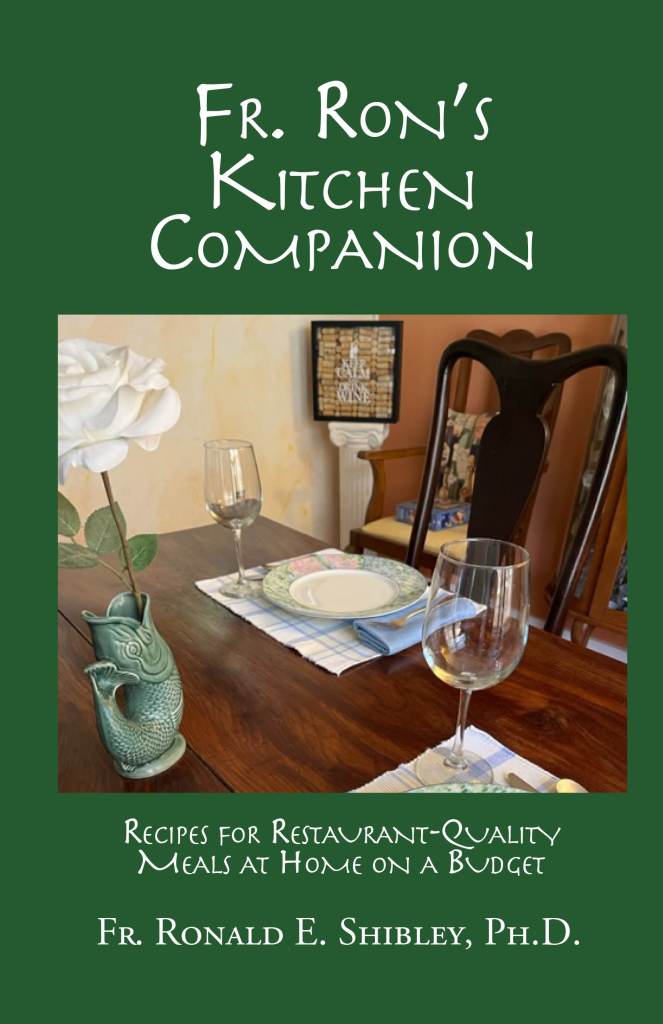
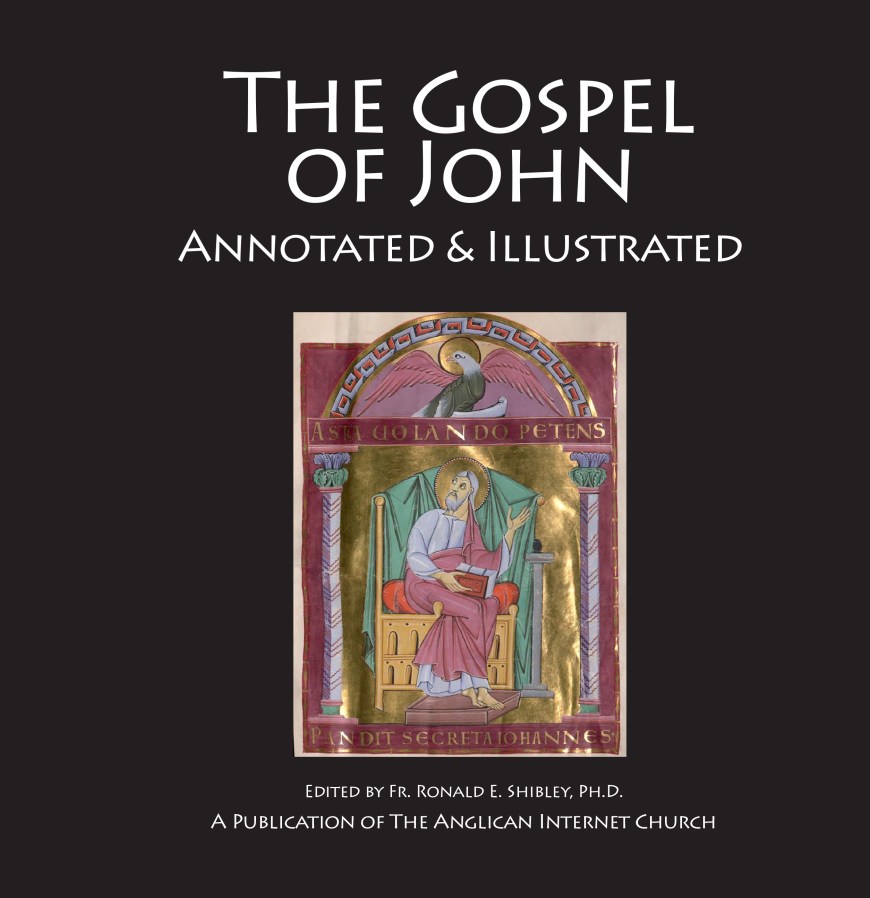
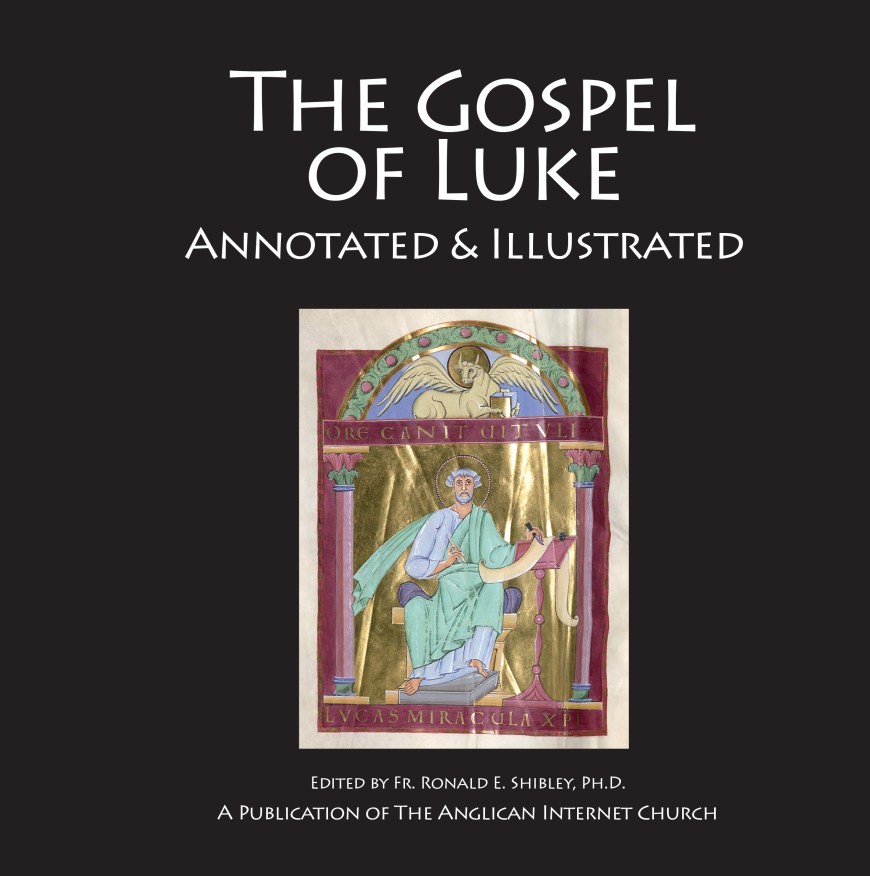
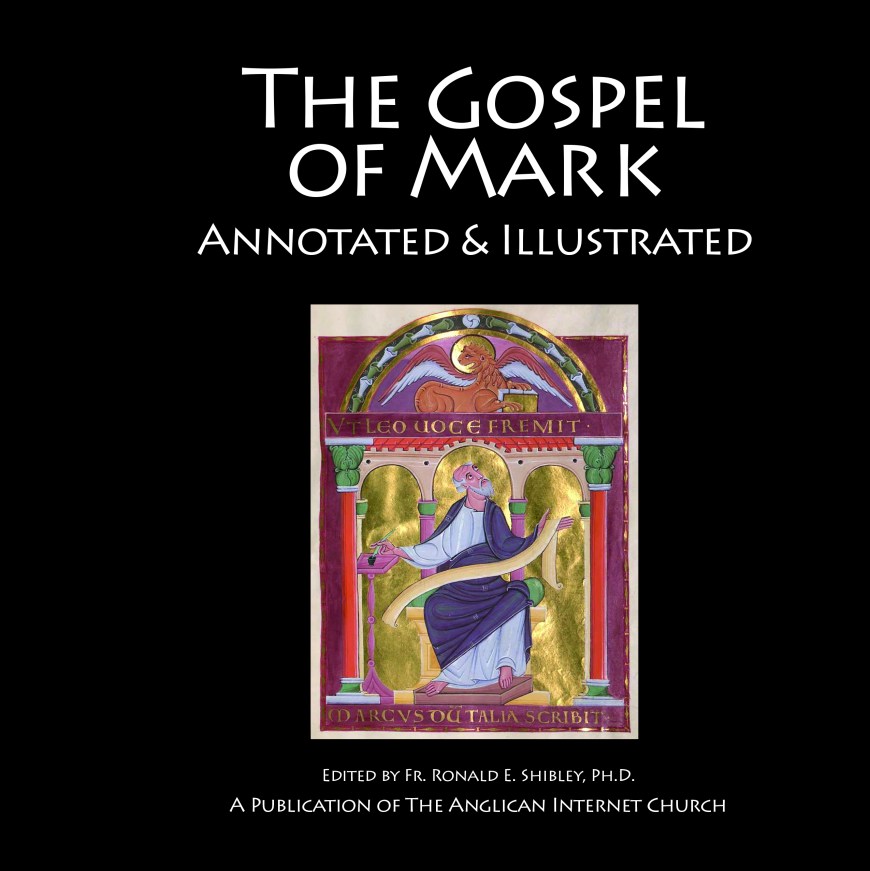
Over the last 15 years or more, this site has offered access to traditional understanding of the nature of humankind and its relationship with its Creator. These teachings are offered in several formats. For those who prefer printed materials, the AIC Bookstore offers a unique collection of prayer, reading and study materials, including a separate illustrated volume, with commentary, on each of the four Gospels, The Acts of the Apostles and Revelation and an illustrated volume on the seasons of Christmas and Easter; two versions of the Psalms; instructional books on personal prayer and other volumes. The purpose of these volumes is to make traditional teaching available at reasonable prices. Special category books including the 1928 BCP, a hymnal of traditional songs and hymns, a collection of prayers for use by the laity; and other special books, including Layman’s Lexicon, with definitions of over 340 liturgical and theological words and phrase, and a cookbook.

For those who prefer to learn by listening, we offer MP3 podcasts of traditional teachings for all the Sundays and seasons on the Church Calendar. These are available using from the Podcast Archive page. In additional, there are podcast homilies for each of these occasions, linked from the Podcast Homilies page.

For those who prefer visual resources, many of these same materials are available in video form for all the seasons on the Anglican worship calendar, including complete series for the Saints Days & Holy Days based on the 1928 BCP list of sixteen saints days plus a separate series on more than 30 Christians saints from other worship traditions as well as more saints from the Anglican tradition whose feast days are not found in the 1928 BCP. These are linked from the Digital Library page. As noted above, an MP3 version of the same material is available on the Podcast Archive page. These are arranged in the order of the Church calendar.

Please note that all these resources are also reached using the links found at the top and bottom of the Home and Welcome pages. Except for the bookstore publications, all these materials are available on demand free of charge. Throughout the books and the video series, we have included examples of Christian art across the ages, including mosaics, frescoes, altarpieces, paintings, etchings, lithographs and icons from both the Western and Eastern Church traditions.

Thank you for your interest and support. Glory be to God for all things! Amen!
Trinity 16 and Other Subjects

Detail, Raising the Son of the Widow of Nain, watercolor, James Tissot, 1886-1896, Brooklyn Museum.  Public Domain
Raising the Son of the Widow of Nain, detail, opaque watercolor over graphite on gray wove paper, James Tissot, 1886-1896, Brooklyn Museum, Brooklyn, NY, Public Domain.

The readings for Trinity 16, including comments on the changes to the original Collect by Archbishop Cranmer, the Gospel reading (Luke 7:11-17) (The Raising of the Son of the Widow of Nain), and St. Paul’s epistle to the Ephesians (Ephesians 3:13-21) were discussed and illustrated in my Father Ron’s Blog posting for September 12, A.D. 2024 and are also discussed in Episode Seven in the video series, Trinitytide: the Teaching Season, found on the Video Archive page with a podcast version found on the Podcast Homilies page.

This week I have been very busy trying to update the maintenance of my yard, somewhat neglected owing to joint discomfort and procrastination, before the first frost arrives. I have not had time to continues the series of posts on the broad topic of Liturgical Worship. I will once again emphasize that “worship” is the operative word; that is, compared to other descriptive words including praise, joy and song in the list of priorities. Next time, I will focus on more of the repeated uses of Old and New Testament verses in the Holy Communion liturgy in the 1928 Book of Common Prayer.

As always, thank you for your interest and support. Glory be to God for all things! Amen!
Liturgical Worship: Scripture-based – Part 2

This week I continue my discussion about Liturgical Worship in the Anglican tradition using the 1928 Book of Common Prayer. The illustration below shows clergy officiating at Holy Communion using the Sarum Rite. Sarum is modern day Salisbury, England. The Sarum Rite in England is a predecessor of the 1549 Book of Common Prayer, the first England language liturgical prayer book produced under the supervision of Archbishop Thomas Cranmer.

Priests Celebrating at Altar, using the Sarum Rite, illumination, Book of Hours, circa 1400, Ms. Richardson 5-92, Folio 44v, Houghton Library, Harvard University, Cambridge, MA. Public Domain.

One of the best commentaries on the 1928 Book of Common Prayer was written by Massey Shepherd. It includes an introductory commentary plus section-by-section commentary on the entire BCP. On the Holy Communion liturgy, pages 67-89, he observes that the words to be spoken by clergy and people before an after the Gospel reading (“Glory be to thee, O Lord” and “Praise be to thee, O Christ”) are “a reminder that liturgical worship is a corporate action of both minister and congregation, conducted under the inspirational judgment of the Lord.”

Shepherd also notes that the Sanctus prayer, spoken during the Preface, is a paraphrase which is derived from the prophet Isaiah’s vision of the heavenly throne, in which the seraphim sing (Isaiah 6:1-3). Holy, holy, holy, Lord God of hosts, Heaven and earth are full of thy glory: Glory be to thee, O Lord most high.”

Another interesting observation by Massey Shepherd concerns the opening words of the Prayer for the Whole State of Christ’s Church (BCP p. 74) is evidence of the Church’s acceptance of the understanding that God listens of the prayers/petitions of His faithful people and, further, that the text affirms that the people/congregation, in hearing the remainder of the prayer, acknowledge the obligation to be obedient unto His divine will: “all those who do confess thy holy Name may agree in the truth of thy holy Word, and live in unity and godly love.” This understanding is more directly addressed in the preface to the General Confession (p. 75).

As always, thank you for your interest and support. Glory be to God in all things! Amen!


Liturgical Worship: Scripture-based – Part 1

Earlier this month my Blog post promised additional commentary on the value of liturgical worship, specifically, worship using the 1928 Book of Common Prayer in the Anglican tradition. This is the first entry in the series. More will follow on an unpredictable schedule.

Liturgical worship is practiced in several denominations, especially the Anglican, Roman Catholic, Eastern Orthodox and, to a lesser extent, among some jurisdictions with the Lutheran, Methodist and Presbyterian traditions. The origin of these traditions is derived from early Church worship, both in the Western and Eastern Church jurisdictions. For Anglicans, the “gold standard” is those liturgies derived from Archbishop Thomas Cranmer’s preparation (with assistance from many whose names are not commonly noted) of the 1549 Book of Common Prayer, the first set of liturgies written in the English language. Cranmer found inspiration in liturgies developed on the European continent, especially in the Lutheran Church, but also from the liturgy named in honor of St. John Chrysostom. Prior to the production of the 1549 Book of Common Prayer, Cranmer also wrote the office known as The Litany, or General Supplication, which still appears on pages 54-59 in the 1928 Book of Common Prayer.

Archbishop Cranmer did not compose something new but a working collection of liturgies for Morning Prayer, Evening Prayer, the Litany & the Penitential Office for Ash Wednesday, as well as other offices and collections of prayers for specific occasions. All of these liturgies, offices and prayers have a common characteristic: They are based upon Holy Scripture, both of the Old Testament and the New Testament. For example, the Holy Communion liturgy begins with the Lord’s Prayer and a Collect, commonly called the Collect for Purity, written in the late 8th or early 9th C. by the Blessed Alcuin of York. The Collect sets the tone for the entire liturgy with understandings, both Jewish and Christian, concerning the nature of the God who sees all and knows all. It also serves as a warning against trivializing the meaning of the words that are to follow in the Holy Communion liturgy. It is useful to recall that Theos, a name of God, is the root word of “theology,” means The One Who Sees.

ALMIGHTY God, unto whom all hearts are open,
all desires known, and from whom no secrets are hid;
Cleanse the thoughts of our hearts by the inspiration of thy Holy Spirit,
that we may perfectly love thee, and worthily magnify thy holy Name;
through Christ our Lord. Amen.

Alcuin of York, and his importance in the development of Christian doctrine since the 9th C., is discussed in the Blog posts for Lent 4 and Lent 5.

Other examples of the use of Holy Scripture are the responsive reading of the Ten Commandments, or Decalogue. The full text must be used at least once per month. On other occasions, the clergyman may read the “Summary of the Law,” which is a paraphase of Deuteronomy 6:5 and Leviticus 19:18, and to which Jesus referred on Mark 12:28-34. Christ cited the two Old Testament sources in response to the question by some Scribes regarding which is the most important Commandment.

Another example is the Comfortable Words, which are quotations Matthew 11:28; John 3:16; 1 Timothy 1:15 and 1 John 2:1, 2. These follow the General Confession and Absolution. Yet another is the selection of New Testament and Old Testament verses which may be used during the Offertory, although the most commonly used in the first in the sequence, “Remember the words of the Lord Jesus, how he said, it is more blessed to give than to receive,” based on Acts 20:35.

In Part Two, I will focus on indirect or paraphrases of Scripture which appear in the offices of Morning and Evening Prayer, the Holy Communion liturgy and are provided in other offices for special occasions, ranging from baptisms to funerals.

As always, thank you for your interest and support! Glory be to God for all things! Amen!

Feast of St. Bartholomew

The Church’s celebration of the Feast Day of St. Bartholomew fell on a Sunday this year for the first time since A.D. 2014. It will not do so again until A.D. 2031, 2036 and 2042. The Collect for the Feast of St. Bartholomew in the Anglican tradition was composed by Archbishop Cranmer in 1549 and revised for the 1662 B.C.P.

St. Bartholomew, opaque watercolor over graphite on gray wove paper, James Tissot, 1886-1896, Brooklyn Museum. Brooklyn NY. Public Domain.

O ALMIGHTY and everlasting God, who didst give to thine Apostle Bartholomew
grace truly to believe and preach thy Word; Grant, we beseech thee, unto thy Church
to love that Word which he believed, and both to preach and receive the same;
through the same thy Son Jesus Christ our Lord. Amen.

St. Bartholomew is named in all three synoptic Gospels but not in the Gospel of John. Since St. John includes two references to Nathaniel (John 1:45-51 and 21:2) and does not mention anyone called Bartholomew scholars assume that the two men are one and the same. In St. John’s account he is described as a native of the village of Cana in Galilee (John 21:2). Early Church scholar Eusebius wrote in the 4th C. that Bartholomew evangelized in present-day India, although some modern scholars insist that he preached in modern Saudi Arabia and not India. The relics of St. Bartholomew were moved to Rome and installed at the Cathedral of San Bartolomeo (Latin spelling) on the banks of the Tiber by Holy Roman Emperor Otto III. The location was said to have been used previously by pagans as a medical center. From than connection arose the modern usage of the saints name in association with hospitals, including renown St. Batholomew’s Hospital in London, England.

There are more illustrations and commentary in Episode Thirteen of the AIC Video series, The Lives of the Saints, First Series, with a podcast/MP3 audio version linked from the Podcast Archive page.

As always, thank you for your interest and support. Glory be to God for all things! Amen!
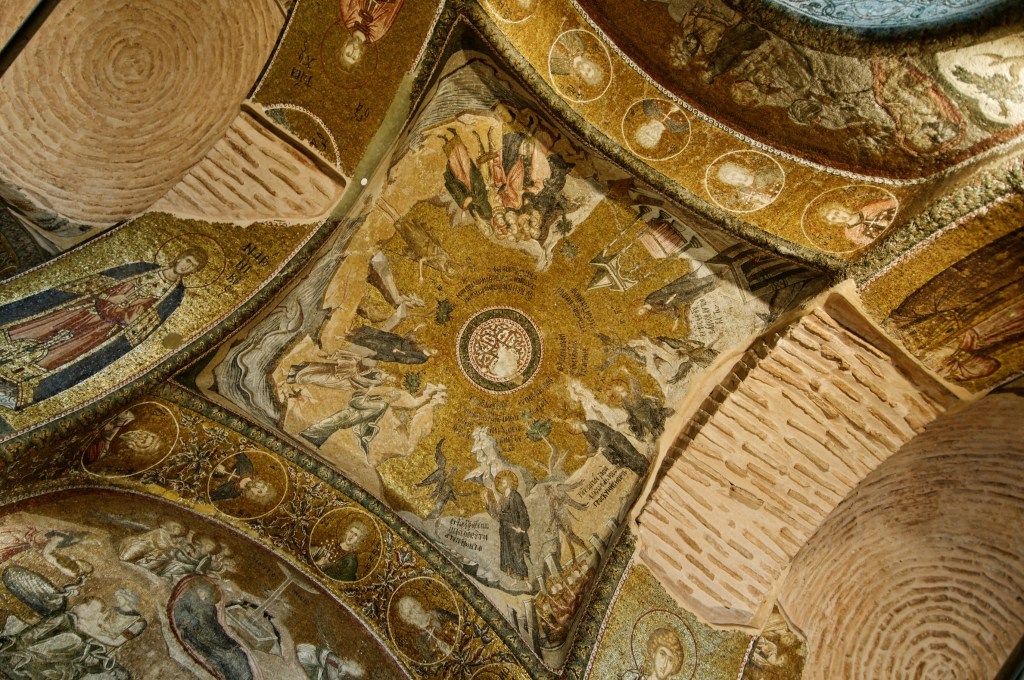
Catching Up

Apologies to regular site visitors for the absence of new posts for several weeks. It’s been a somewhat lazy summer, trying to catch up on personal and Church affairs since returning from a vacation in Hawaii in early June. My garden got ahead of me and my muse for writing these posts deserted me.

This week’s post is something of a “catching up” with topics I had planned to wrote about. At the top of the list is the broad subject of Liturgical Worship. In today’s world given to transitory things, a tendency toward single and trendy topics, 21st C. people seem to prefer things short and snappy and which do no make too many demands upon our time. As an Anglican, I find that set version of worship helps focus the mind and heart on truly important issues rather than that which is transitory. I was reminded of this in happening upon a “worship” service in a public location in which the focus seemed purely on expressions, spoken repeatedly, on the phrase “we love Thee.”

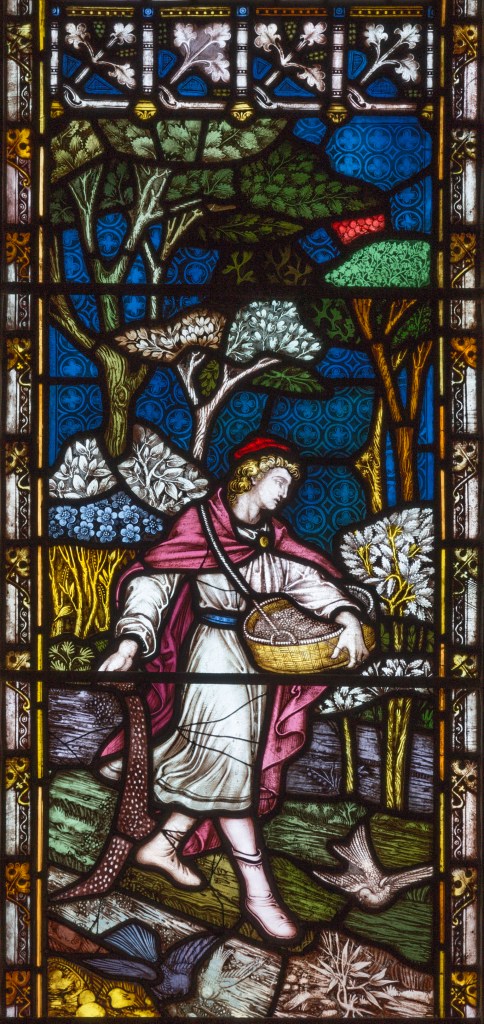
Instead, I offer on this occasion a catena, or collection of Scriptural verses, based on Psalm 5:1-3, 7-8, & 12-13, which focuses on the two-way aspects of faith and worship. It appears as the first of two Psalm readings in the Third Hour Office, in Hear Us, O Lord: Daily Prayers for the Laity. Information about the book is found on the AIC Bookstore page. Like all AIC books it is available through my Amazon Author Central page. In the book it is formatted as below in responsive reading style. The text does not include verse numbers because the WordPress system assumes that a number is part of a list and the text reverts to the left margin and does not include small caps letters, which are used for “Lord” in verses 1, 3, 5, 7 & 9. Psalm 9 is traditionally credited to King David.

Ponder my words, O Lord,
Consider my mediation.
O hearken thou unto the voice of my calling, my King and my God:
For unto thee will I make my prayer,
My voice shalt thou hear betimes, O Lord;
Early in the morning I will direct my prayer unto thee, and will look up.
But as for me, in the multitude of thy mercy will I come into thine house;
And in thy fear will I worship toward thy holy temple.
Lead me, O Lord, in thy righteousness, because of mine enemies;
Make thy way plain before my face.
And let all them that put their trust in thee rejoice:
They shall ever be giving of thanks, because thou defendest them; they that love thy Name shall be joyful in thee:
For thou, Lord, wilt give thy blessing unto the righteous,
And with thy favourable kindness wilt thou defend him as with a shield.


In future posts in this series I will focus on specific aspects of Liturgical Worship in the Anglican tradition.

Thank you for your interest and support. Glory be to God for all things! Amen!
    Feast of St. Peter, June 29

    Saving Peter from Drowning, detail from an illumination in tempera and colors on parchment based on Matthew 14:27-31, Codex Egberti, circa 980-993 A.D., Codex 24, Folio 27v, Wissenschaftliche Bibliothek der Stadt Trier, Trier, Germany. Public Domain.

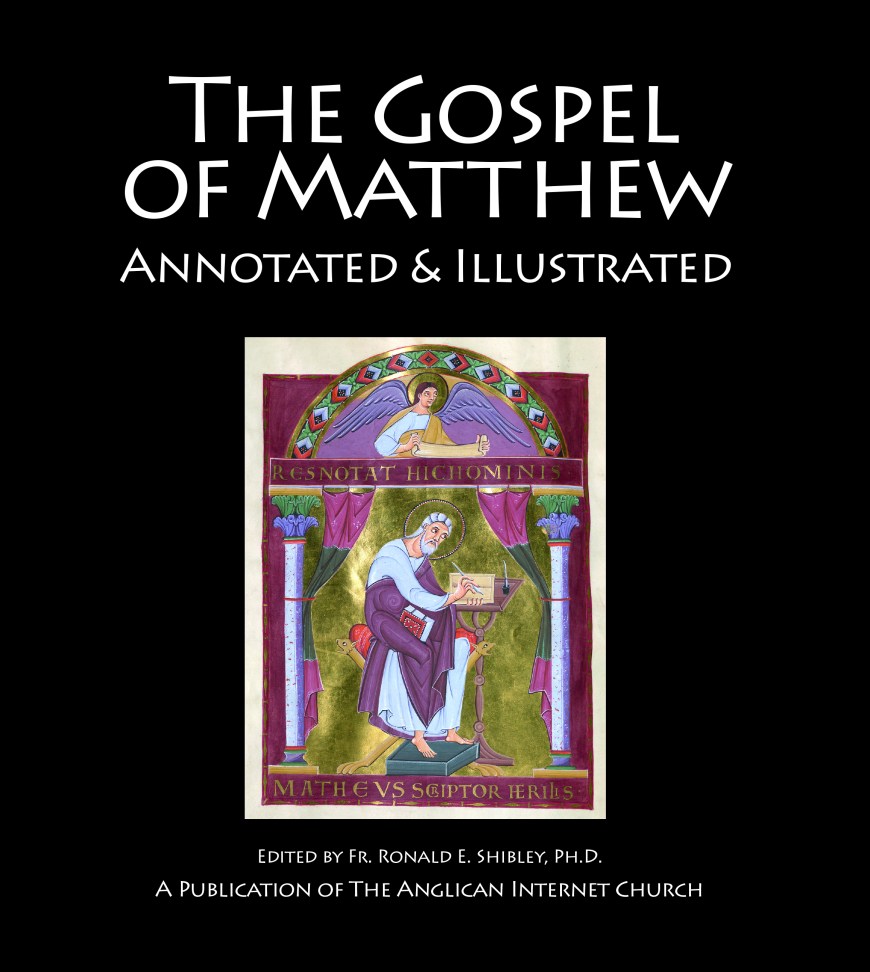
    Sunday, June 29th, is the Feast Day of St. Peter. The readings appointed for the Feast of St. Peter are rarely heard in Anglican Sunday worship, but it did on Sunday, June 29, A.D. 2025. This is because the Feast of St. Peter rarely occurs on a Sunday. It last appeared on a Sunday in A.D. 2014. In the Second Quarter of the year it will appear again only in A.D. 2031, 2036 and 2042. The image above appears in a high-resolution version as Illustration No. 75, in the AIC Bookstore Publication, The Gospel of Matthew: Annotated & Illustrated, which is available through my Amazon Author Central page, with details shown on the AIC Bookstore page. It was also used in Slide 33 in Episode Three of the AIC Christian Education Video series, Trinitytide: the Teaching Season.

    As always, thank you for your interest and support. Glory be to God for all things! Amen!
    Apophatic vs. Cataphatic Prayer

    One of the objectives of the Anglican Internet Church online ministry, as stated in the Our Mission statement on the back page of all our publications and on our Web Site, is “Eastern Church Teaching in Western Church Language.” The title of this week’s post, Apophatic vs. Cataphatic Prayer is a good example. In the Eastern Church since the 5th and 6th C. the concept that God can only be described by words that define what He is not (apophatic) vs. the Western style of positive statements (cataphatic). This same concept is reflected in the link which was part of my post for Whitsunday/Pentecost, June 8, A.D. 2025.

    Here is an example of an apophatic prayer from the Eastern Church tradition which I have modified by substituting more commonly-understood terms from the Western Church. The proper word for somethings that is too complex to be rendered in plain language is “ineffable.” Here is have substituted: “whose love for men is above words.” The prayer is the Fourth Prayer in the Third Hour (9 AM) Office in Hear Us, O Lord: Daily Prayers for the Laity, a volume available through my Amazon Author Central page, with a summary found on the AIC Bookstore page. The original version is popular in both the Armenian and Russian Orthodox traditions. The prayer is found in Part Three of the book. Part One includes prayers of Praise and Thanksgiving; Penitence; Righteousness; Songs of Praise; and Other Prayers. Part Two is Little Prayers: Catanae on the Psalms.

    O LORD, our God, whose power is unspeakable,
    Whose glory is beyond imagining, Whose mercy
    is measureless; Whose love for men is above words,
    look down upon us, O Master, and bestow upon all
    here present the riches of thy goodness and mercy,
    for to thee belong all glory, honor and worship.
    In the name of the Father, the Son and the Holy Spirit,
    now and ever, and unto ages of ages. Amen.

    Another prayer which observes the apophatic tradition is not from an Eastern Church saint but was composed by the Blessed Alcuin of York, spiritual advisor to Charlemagne, the first Holy Roman Emperor in the West since the Vandals sacked from in the 3rd Qtr., 5th C. Charlemagne was coronated at Rome on Christmas Day, 800 A.D. I adapted this version from a recent history of Alcuin published in England. Alcuin is best known in the Anglican worship tradition for his Collect for Peace which is found in the opening prayer in the Holy Communion liturgy in the 1928 Book of Common Prayer. Alcuin’s collect reflects the ancient Hebrew understanding of God as the all-knowing, all-seeing Almighty.

    O ETERNAL L:ight, shine into our hearts:
    O ETERNAL Goodness, deliver us from evil;
    O ETERNAL Power, be our support;
    O ETERNAL Wisdom, scatter the darkness of our ignorance;
    O ETERNAL Pity, have mercy on us;
    That with all our hearts and minds and souls and strength
    we may seek thy face and be brought by thine infinite mercy
    to thy holy presence. Amen.

    As always, thank you for your interest and support. Glory be to God for all things! Amen!
    Whitsunday/Pentecost

    Welcome to this first entry in a new series of posts on topical themes. These themes may be focused on timely events of the week or upon details and further exposition on the Collect, Epistle or Gospel reading for any particular Sunday or on any topics that seems relevant, especially those which, in my view, are not receiving sufficient attention in the media.

    For this first posting, I offer a selection of prayers from the Third Hour (9:00 A.M.) office in Part Three in the AIC Bookstore Publication, Hear Us, O Lord: Daily Prayers for the Laity. This 3-part volume is available in paperback through my Amazon Author Central page, with a summary on the AIC Bookstore page. Part One, Awesome Prayers to Our Awesome God, includes prayers on the themes of Praise & Thanksgiving; Protection & Deliverance; Penitence; Righteousness; Songs of Praise; and Other Prayers. Part Two includes a selection catnap, or short prayers, based upon Psalm verses.

    Great is the day of Sunday;
    And blessed is he who keeps it in faith;
    Because on it Our Lord rose from the grave;
    And the nations confessed the Father, the Son and the Holy Spirit.
    Great is the Lord and greatly to be praised.
    Halleluia! Halleluia! Halleluia!
    Source: Syrian Antiochian Orthodox Church

    Creator of the morning, who drove out the darkness and brings light and joy to thy creation; create in us habits of virtue and drive from us all darkness of sin; give us light and joy by the glorious rays of thy grace, O Lord our God, for ever and ever. Amen.
    Source: Syrian Jacobite prayer, 5th C. or earlier.

    For this first posting I offer a link to an interesting article posted on May 26th in The Catholic Herald. I hope that the article gives us evidence on why the new Roman Catholic Pope whose the name, Leo XIV. In a later post I will explain and discuss the concepts of apophatic and cataphatic prayers which are implied in the article linked below.

    https://thecatholicherald.com/for-monday-why-pope-leo-xivs-gentle-criticism-of-contemporary-western-liturgy-is-a-vital-wakeup-call/

    As always, thank you for your interest and support. Glory be to God for all things! Amen!