Fourth Sunday in Advent & the Great “O” Antiphons

The final week of Advent approaches and with it the opportunity to write about another great tradition in the Western Church: the Great “O” Antiphons. These daily prayers and songs date to about the 12th C. and are traditionally credited to Christian followers of St. Francis of Assisi. During the same time period, we offer a special program for Christmas Eve and another for the period from Christmas Day through Epiphany Eve. More, including links to these unique programs, after some comments about Fourth Sunday in Advent. I invite you to share these links with friends and family. Because of the calendar overlap of Advent and Christmas seasons, all the presented in this post for the final Sunday in Advent. Related material for Christmas Day will be posting

My Podcast Homily for Fourth Sunday in Advent on the theme of “The First Gift of Christmas,” was posted on 12/20/24. In Episode Two of the AIC Seasonal Video series, Advent: a Season of Penitence & Preparation, I discuss Archbishop Cranmer’s 1549 Collect, its origin in the Sarum version of the Gelasian Sacramentary, and the additional wording concerning running the race (itself inspired by Hebrew 12:1b) which was added for the 1662 Book of Common Prayer. I also discussed the Epistle reading, Philippians 4:4-7 (“the Lord is at hand”) and the Gospel lesson, John 1:19-28, concerning inquires and questions posed to John the Baptist.

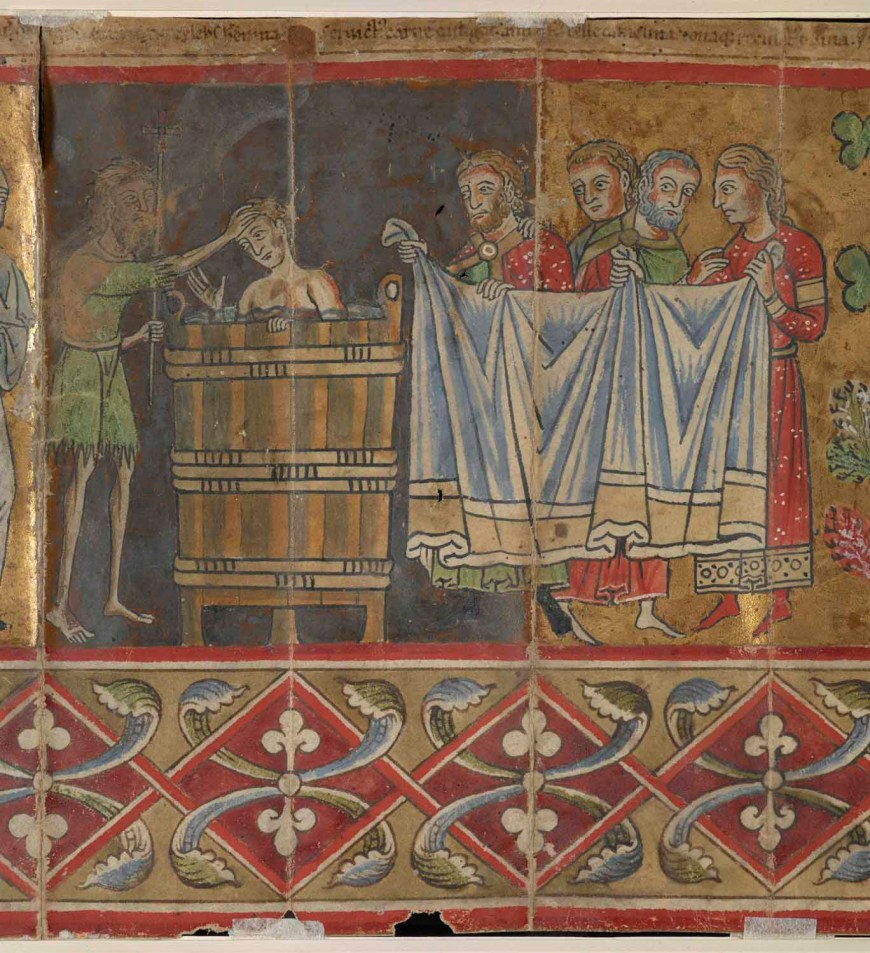
The post included an image from the AIC Bookstore Publication, The Gospel of John Annotated & Illustrated, of John the Baptist baptizing a man in wooden tub (Ms. Additional 42497, British Library). The volume, with 95 illustrations from the 6th through the 19th C, is available only through my Amazon Author Central page. Additional information is available on the AIC Bookstore page. Royalties from all the AIC Bookstore Publications are contributed to the AIC. A related Podcast Homily for Fourth Sunday in Advent, based on the assigned Morning Prayer readings for that day in the 1928 Book of Common Prayer, is also available for those who prefer listening to hearing this kind of material.

O-Antiphons-Title1-small.jpg

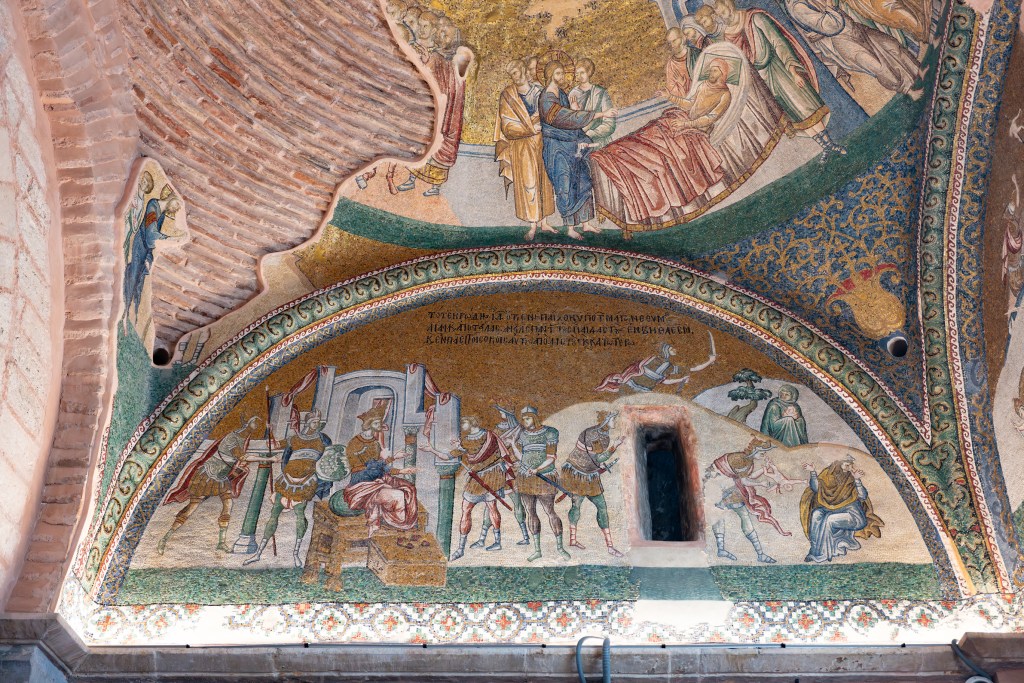
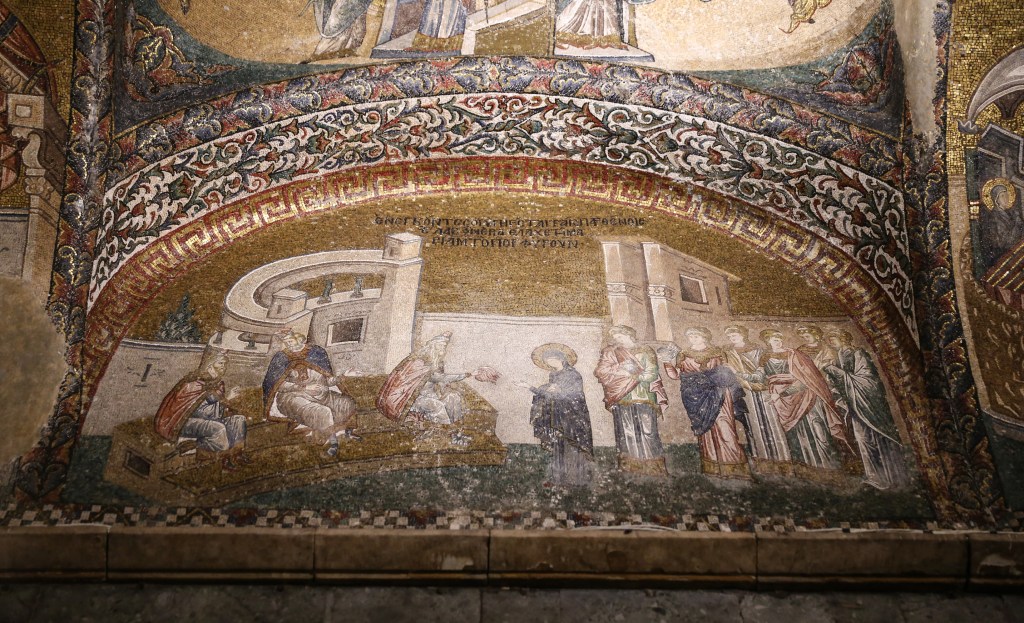
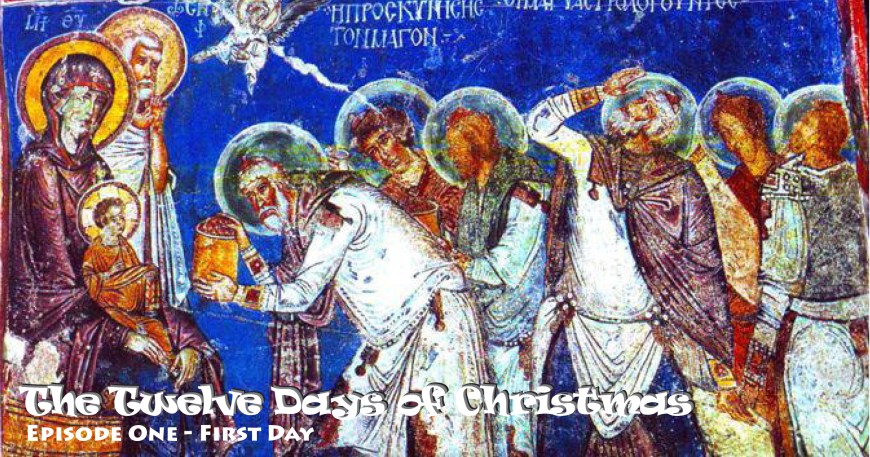
This series includes music, historic Christian art and Scripture readings based on a 12th C. service in northern Italy in celebration of the seven days before Christmas. Each day is focused on a theme word in Latin. The daily titles, in date order, are titles/descriptors of our Saviour Jesus Christ: Wisdom, Lord, Root of Jesse, Key of David, Dayspring, King of Nations, God with us. They have been incorporated into Christian worship for Advent in many denominations. This video series, which celebrated the start of the AIC’s second decade on the web, seeks to make them more broadly available and accessible on demand, 24/7, virtually anywhere in the world. The audio-only versions, in portable MP3 format, are available through the episode links on the Podcast Archive page.

December 18th – O Sapientia
December 19th – O Adonai
December 20th – O Radix Jesse
December 21st – O Clavis David
December 22nd – O Oriens
December 23rd – O Rex Gentium
December 24th – O Emmanuel

Another AIC seasonal resource is our feature video for Christmas Eve, based upon the traditional English model. It was created as a resource for those unable to access coverage of live events, most typically at King’s College, Cambridge, England, on Christmas Eve. While it is labelled “December 24th, it can be accessed at any time, year round.

lessonscarols-title-clear

December 24th

There will be another Blog post on December 23rd which will contain information and links to videos and podcasts for Christmas Day and for each of the Twelve Days of Christmas, which begin on December 25th and end on Epiphany Eve, January 5th.

As always, thank you for your continued interest in and support for the Anglican Internet Church’s online ministry and digital resources. Glory be to God for all things! Amen!
Trinity 23 and AIC Bookstore – Part Six

Ooophs. In A.D. 2025, there is no Trinity 23. On the traditional calendar it is preempted by Sunday Next Before Advent. In 2024 A.D. for reasons I do not remember, I did not provide a Blog post for Trinity 23. In 2025 A.D. it is the final Sunday after Trinity, since Advent begins on Sunday, November 30th. However, you can listen to my Podcast Homily for Trinity 23 or, for a visual version, watch Episode Eight in Trinitytide: the Teaching Season. The Gospel reading for Trinity 23 includes Jesus’ use of the phrase, “Render unto Caesar…” (Matthew 22:15-22). In the video series, the discussion includes another of James Tissot’s remarkable watercolor interpretations of the words of Christ. The Gospel reading for Trinity 23 is the ninth quotation from the Gospel of Matthew in Trinitytide.

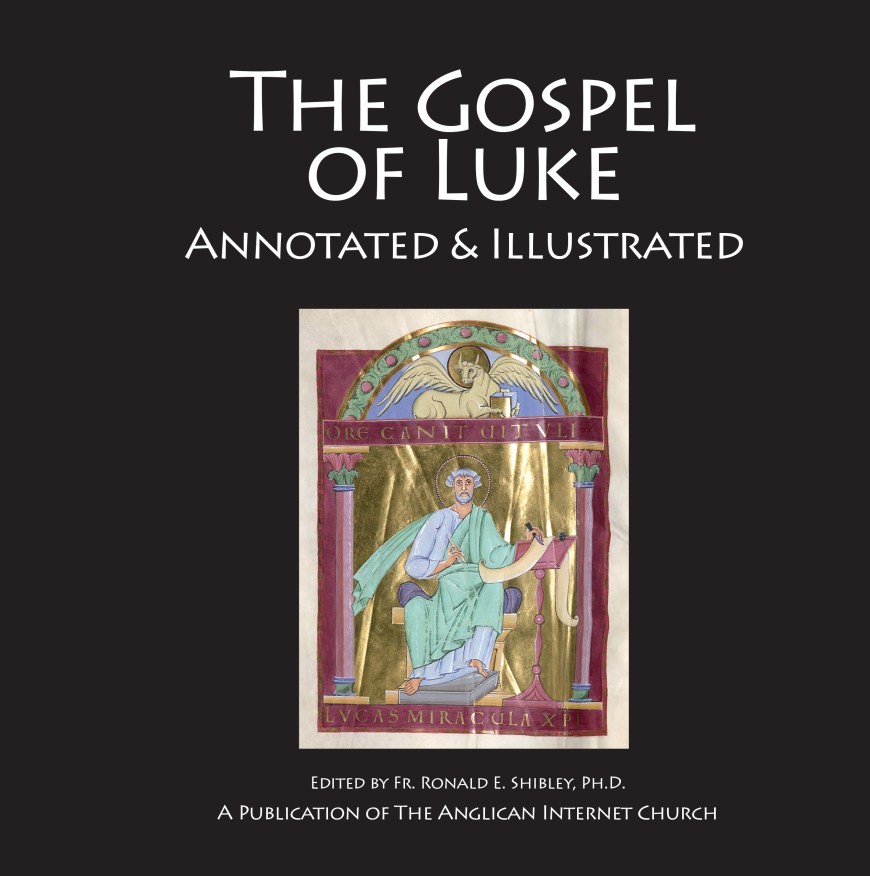
For this week’s Blog posting, the focus is on the second of two AIC Bookstore Publications focused on the primary seasons on the Anglican Church Calendar: Easter and Christmas.

The cover image is an 11th C. mosaic, Christ Resurrected (known as the Anastasis in Greek), east wall, Narthex, Hosios Loukas Monastery, Distoma, Greece. Source: Wikipedia Commons. The theological symbolism of the image is discussed in Chapters 2 and 3.

Easter: The Resurrection of Our Lord in Scripture, Art & Christian Tradition is presented in 156 pages. There are 132 illustrations from the 6th C., 9th through 17th C. and 19th through 21st C. The book is divided into six parts, plus a Preface, List of Illustrations and a brief guide to the art of illumination of Scripture. Part One includes discussion and art related to events and prophecies during the three days between Good Friday and Easter Sunday (called the Triduum in Latin), including the “Harrowing of Hades.” This is the period of Jesus’ visit in Hades/Hell that is mentioned in the Apostles’ Creed. A special text box includes the Easter/Paschal sermon of St. John Chrysostom, which is still delivered annually on Holy Saturday in many Eastern Orthodox Churches. Chapter Four in this section is focused on Jesus’ prophetic references to Resurrection in three days.

Part Two is focused on events of the Resurrection recorded for early on Easter Day, according to the accounts in the Gospels of Matthew, Mark, Luke and John. A special text box explains the “Three Marys” tradition regarding the three women at the empty tomb in these Gospel accounts.

Part Three is focused on Post-Resurrection appearances of Jesus Christ, as recorded in the Gospels of Luke and John, including those occurring on Easter evening and the eight days afterward, including accounts of the “doubts” of St. Thomas and his confession; on meeting Apostles on the road to Emmaus and the subsequentmeal at Emmaus; and Jesus with the Apostles at the Sea of Tiberius, uniquely recorded in the Gospel of John.

Part Four is focused on Jesus’ final post-Resurrection appearances, the Great Commission and the Ascension. The text is based on the accounts in the Gospels of Matthew, Mark and Luke, plus The Acts of the Apostles. There are fourteen illustrations of the Ascension depicting the event from both the Western and Eastern Church traditions.

Part Five is focused on music for Easter in both the Western and Eastern Church traditions, including the text of Easter hymns and Psalms; a special text box listing all the seasonal music printed in another AIC Bookstore Publication, The St. Chrysostom Hymnal, which was used at my former parish and which is now available in paperback.

Part Six is focused on Easter traditions both in liturgy and foods and includes images of Easter worship in Kent, Lancashire, St. Agnes Island, and London, England; and in Bucharest, Romania; Kiev, Ukraine; Emmaus-Nicopolis, Israel; and Gomel City, Belarus. For this volume, Corkie Shibley created a recipe for “Empty Tomb Hot Cross Buns.”

Sources for this collection of Christian art include icons, mosaics, frescoes, altarpieces, bas reliefs, tapestries, oil paintings and watercolors; stained glass windows; illustrated Psalters, Pericope Books, Sacramentaries, as well as illustrated Bibles and Gospels produced for the use of both clergy and royalty. The format used in Easter: The Resurrection of Our Lord in Scripture, Art & Christian Tradition is slightly different than in the Christmas volume. For this blog post, there is no image of an inside page, because nearly all the illustrations, for best effect, are printed on full pages placed opposite the actual Scripture text.

This volume, first published in A.D. 2023 and updated at Epiphany A.D. 2024, was written and edited primarily for the education of the laity of the Church; however, clergy from both the Western and Eastern Church traditions may find the Bibliography and the Sources of Illustrations pages useful for further learning and research. I am grateful to the staff at libraries and other archives in England, Europe and the United States and to our donors, who make possible the acquisition of the high-resolution images used in this book. Several individuals who provided exceptional assistance in resolving the many technical issues (resolution, clarity, etc.) are named in the Preface.

Like all the AIC Bookstore Publications, Easter: The Resurrection of Our Lord in Scripture, Art & Christian Tradition is available only through my Amazon Author Central page. Royalties for all the AIC Bookstore Publications are contributed to the AIC. Additional information about pricing and pagination of this and the other AIC Bookstore Publications is found on the AIC Bookstore page.

As always, thank you for your interest and support. Glory be to God for all things! Amen!
Trinity 22 & AIC Bookstore – Pt. 5

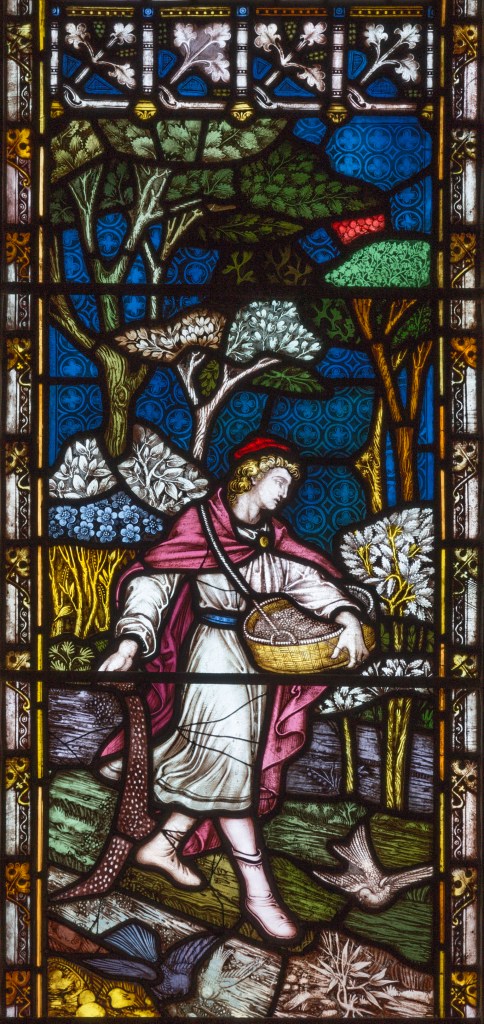
My Fr. Ron’s Blog post for Trinity 22 was posted on October 25th, A.D. 2024. The episode is linked from the Archives column at the right side of the page. I discussed the Collect, based on the late Gregorian Sacramentary (10th C.), St. Paul’s epistle to the congregation at Phillipi (Philippians 1:3-11) and St. Matthew’s account of Jesus’ lesson on the Unforgiving Servant (Matthew 18:21-35) with first half, 17th C. art work by Claude Vignon. These readings were also discussed in Episode Eight in our Christian Education video series, Trinitytide: the Teaching Season. The podcast version of Episode Eight is linked from the Podcast Archive page. Additionally, the Podcast Homily for Morning Prayer on the Twenty-second Sunday after Trinity is also available.

This week’s post continues my focus on the unique books available in the AIC Bookstore, on this occasion focusing on the first of two books on the Church’s two major seasons, Easter and Christmas. Here, near the start of Advent in A.D. 2025, I present more about Christmas: The Nativity of Our Lord in Scripture, Art & Christian Tradition. This resource would be a great gift to any Christian this year. The volume is available only through my Amazon Author Central page.

Cover image, a stained glass interpretation at an unspecified location, copyright Waamel|Dreamstime.com.

The book was first published at Christmas, A.D. 2023. Art work includes 113 illustrations from the 5th to the early 20th C., including mosaics, icons, frescoes, stained glass, paintings, watercolors and two maps: Palestine in the Time of Christ and an 1835 Plan of Jerusalem. This 173-page high-quality paperback is divided into five parts. Part One includes text and commentary on St. Luke’s unique pre-Nativity account (Luke 1). Part Two continues with text and commentary on St. Luke’s version of the actual Nativity and his transition to post-Nativity events (Luke 2). Part Three includes text and commentary on St. Matthew’s version of the Nativity through the flight to and return from Egypt (Matthew 1 & 2). Part Four is focused on two pre-and post-Nativity traditions with art related to The Great “O” Antiphons (for Dec. 18th to 24th) and The Twelve Days of Christmas (with a theme words or phrases for Dec. 25th to Jan 5th). Part Four includes examples from the AIC’s two video and podcast series of the same name. Part Five, Christmas Traditions from around the World, includes discussion and illustrations of gift-giving, Dickens’ A Christmas Carol, Christmas cards, the Three Kings tradition, Christmas music and foods, including Corkie Shibley’s recipe for my grandmother’s Sugar Cookies.

With its unique format and content, this volume will enhance anyone’s personal library of Christian resources. Next time, my focus will be on Easter: The Resurrection of Our Lord in Scripture, Prayer & Christian Tradition.

As always, thank you for your interest and support. Sales of these volumes help keep the Anglican Internet Church’s unique resources available online, mostly free of charge. All book royalties are donated, as received, to the AIC. Glory be to God for all things! Amen!
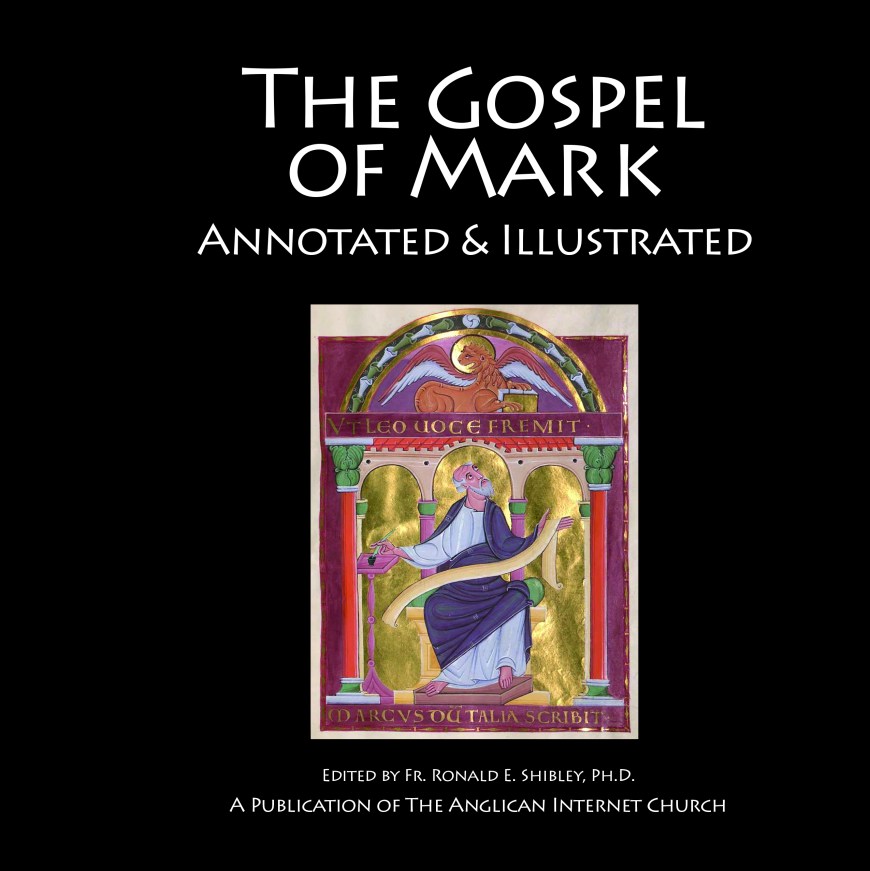
Trinity 20 & AIC Bookstore – Part 3

My Fr. Ron’s Blog post for Twentieth Sunday after Trinity was posted on 10/11/2024. In the post I discussed the two changes to the original Gelasian Sacramentary version that were made in 1662 & 1789; St. Paul’s emphasis on his understanding of “joy” in the singing “Psalms, hymns and spiritual songs”; and St.. Matthew’s account of the Parable of the Wedding Feast (Matthew 22:1-14). The post is available using the link for October 2024 in the Archives column.

The same set of readings was discussed and illustrated in Episode Eight in our Christian Education video series, Trinitytide: The Teaching Season. All these episodes include illustrations from our archive of over 3,000 examples of Christian art over the centuries. Another illustration of the Parable of the Wedding Feast is featured in Chapter 22 of The Gospel of Matthew: Annotated & Illustrated, available through my Amazon Author Central page.

Cover art: King David on his harp, stained glass window, Collegiate Church of Notre Dame, Dinant, Belgium. Copyright Jorisvo/Dreamstime.com

This week’s example of works in the AIC Bookstore is The Prayer Book Psalter: History, Text & Commentary (370 pages, six illustrations, including two on the front or back cover). The book brings together both Western Church and Eastern Church interpretations and was intended to answer commonly-asked questions about the Psalter. It can be used as a quick-reference for either clergy or laity.

The text of each Psalm, using the 1928 Book of Common Prayer (1943 U.S. Edition), is followed by commentary from a Christological perspective, where possible using quotations from the ancient fathers of Christianity, including saints Athanasius of Alexandria, Augustine of Hippo, Gregory of Nyssa, James, John Cassian, John Chrysostom, Martin Luther, the Apostles Paul and Peter, and Theodoric of Cyprus. For each Psalm there is a listing of where, if applicable, each Psalm has been used in Christian hymns and songs. The music cross-reference is focused on traditional songs and hymns used not only in the Anglican worship tradition, but also the Baptist, Methodist and Presbyterian traditions.

Each Psalm (see the sample page of Psalm 149, one of the shortest Psalms) is categorized by its type, either Penitential, Passion, Cursing, Messianic, Royal, Hallel and Songs of Ascent; by the traditional understanding of its authorship (David, Sons of Korah; Sons of Asaph (Zaccur, Joseph, Nethaniah and Azariah); Solomon; Moses; Ethan the Ezrahite; and Unknown; and by how and where it is used in the 1928 BCP (Morning Prayer, Evening Prayer, Other); and by its classification in one of the traditional five “Books” of the Psalms in the full text section of the BCP. At the back of the book is a Glossary listing every person or place named in the Psalter, with entries cross-referenced to other Psalms, other Scripture and to other books in the AIC Bookstore. The volume is available exclusively through my Amazon Author Central page.

Next week’s topic will be our other book focused on the Psalms, The Prayer Book Psalter: Picture Book Edition, which features illustrations from the historic Stuttgart Psalter (circa 820 A.D. during the reign of Holy Roman Emperor Charlemagne) and 20 other illustrated editions of the Psalter from the 10th to the 17th C., including the Psalter of Henry the Eighth. The page size is 8.5″ x 8.5″ with the Psalm text set in large type in the Apple Luminari typeface, with illuminated capitals created by Corkie Shibley, and with the Psalm’s title in both English and Latin. The book was produced with the assistance of the Wurttembergische Landesbibliothek, Stuttgart, Germany, the holder of the only known copy of the Stuttgart Psalter. The Stuttgart Psalter is associated with the Blessed Alcuin of York, author of the Collect for Purity in the Anglican Holy Communion liturgy and spiritual advisor and teacher to the Emperor Charlemagne, his family and his royal court, and Abbot of the Abbey of St. Martin, Tours, France.

As always, thank you for your interest and support. Glory be to God for all things! Amen!
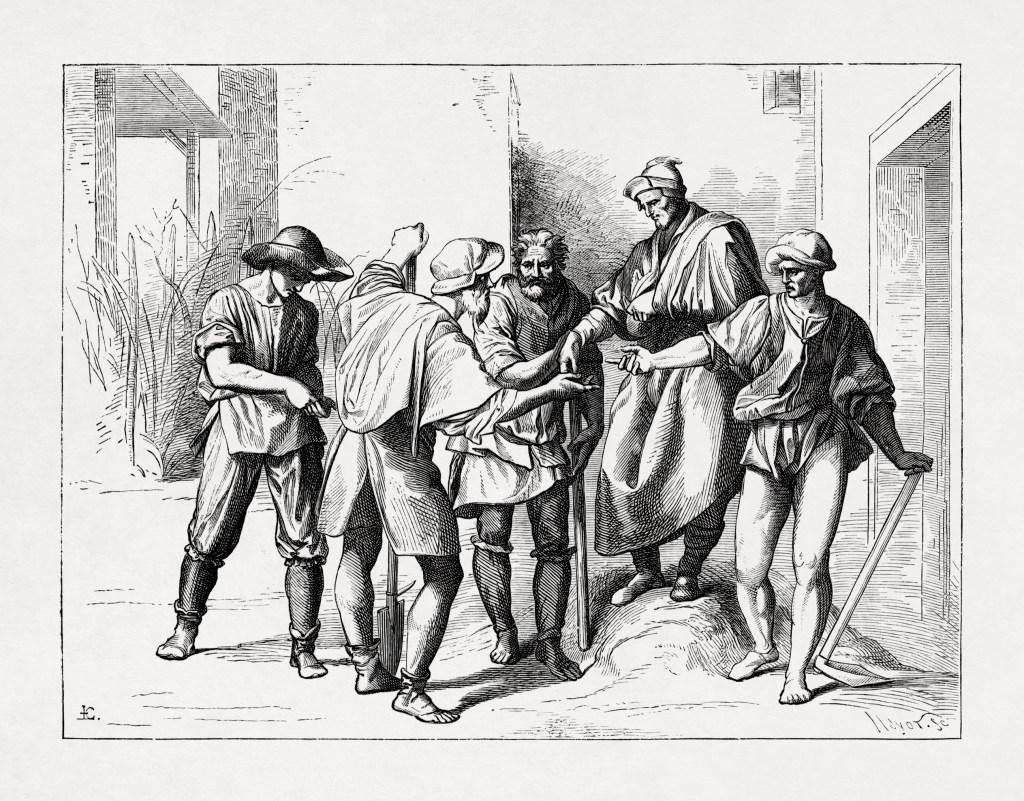
Trinity 19 & the AIC Bookstore, Part 2

My Father Ron’s Blog posting for Trinity 19 was placed online on 10/4/2024. I commented upon the origin of the Collect (Gelasian w/amendment in the 1662 BCP, St. Paul’s discussion of Christian virtues in the Epistle reading (Ephesians 4:17-32) and the Gospel lesson (Matthew 9:1-8, the fifth of nine readings from St. Matthew in Trinitytide). The post is linked within the right column on the Fr. Ron’s Blog page.

This week’s post is focused on two related volumes from the AIC Bookstore. Both books grew out of my local ministry in Richmond, VA and surrounding area. Since our ministry received no financial support from any Anglican jurisdiction, we needed to find ways of reaching people at the lowest possible cost, with newspaper advertising, of doubtful value in any situation, being out of the question.

The original version of Prayers in the Christian Tradition was printed on my office laser printer on 8.5 x 11 letter paper, with four pages on each side. The paper was folded in half on the short axis, then folded again across the long axis, cut into four pages which were then collated and stapled together, with finished pages The completed book fit comfortable into a shirt or suit coat pocket, so that the prayers could be read anytime, anyplace, including lunch break at work, on a bus or subway, waiting in a doctor’s or lawyer’s waiting room. It sold for a mere $5.00, but was most often given to expressing an interest in Anglican worship. The version now available was reformatted into a size compatible with KDP Publishing’s standard book sizes. A new color cover was designed by Corkie Shibley. The volume includes prayers from the 1st to the 20th C. The index of sources include Saints & Blesseds, Bishops & Archbishops; Prayers and Offices (by Name and by Origin); Other People and Places; plus a complete Scripture index divided into Old Testament and New Testament sources.


The second book, Hear Us, O Lord: Daily Prayers for the Laity is divided into three sections: Awesome Prayers to Our Awesome God (which also traces to my earliest ministry in Richmond) which are offered in six sections, based on topic or focus: Praise & Thanksgiving; Protection & Deliverance; Penitence; Righteousness; Songs of Praise; and Other Prayers. Part Two, Little Prayers: Catenae on the Psalms, offers short prayers based on just one Psalm; catanae (meaning short prayers based on Scripture) on single Psalm, and Catanae based on multiple Psalms. Part Three, Daily Prayers for the Laity, was developed based on the traditional Church practice of prayers spoken at fixed times of the day, or the Hours: First Hour (sunrise or 6 AM); Third Hour (9 AM); Sixth Hour (Noon); Ninth Hour (3 PM); Vespers (traditionally 5 PM or local sunset); and Compline. Hours offices have a defined pattern: Invocation; First Prayer (from Scripture); the General Confession; the Lord’s Prayer; followed by a sequence of “Chapters” (two through six) based on a New Testament verse); Antiphons (or verse and response readings; a Psalm reading; and two closing verses and responses. Since no blessings is conferred, these can be said by anyone, layperson or clergy. In my household these said on Sundays when we do not attend for parish worship. This compilation includes a short explanation of the origin of “offices” and are based upon prayers from many Western and Eastern Church traditions including Anglican, Roman Catholic, Syrian Antiochian, and several Eastern European Orthodox traditions, including Russian. Should an ordained person be present, a text for an Absolution and Benediction are included.

Like all the AIC Bookstore Publications, these volumes are printed on demand and sold through my Amazon Author Central page, with all book royalties contributed to the AIC.

As always, thank you for your interest and support. Glory be to God for all things! Amen!
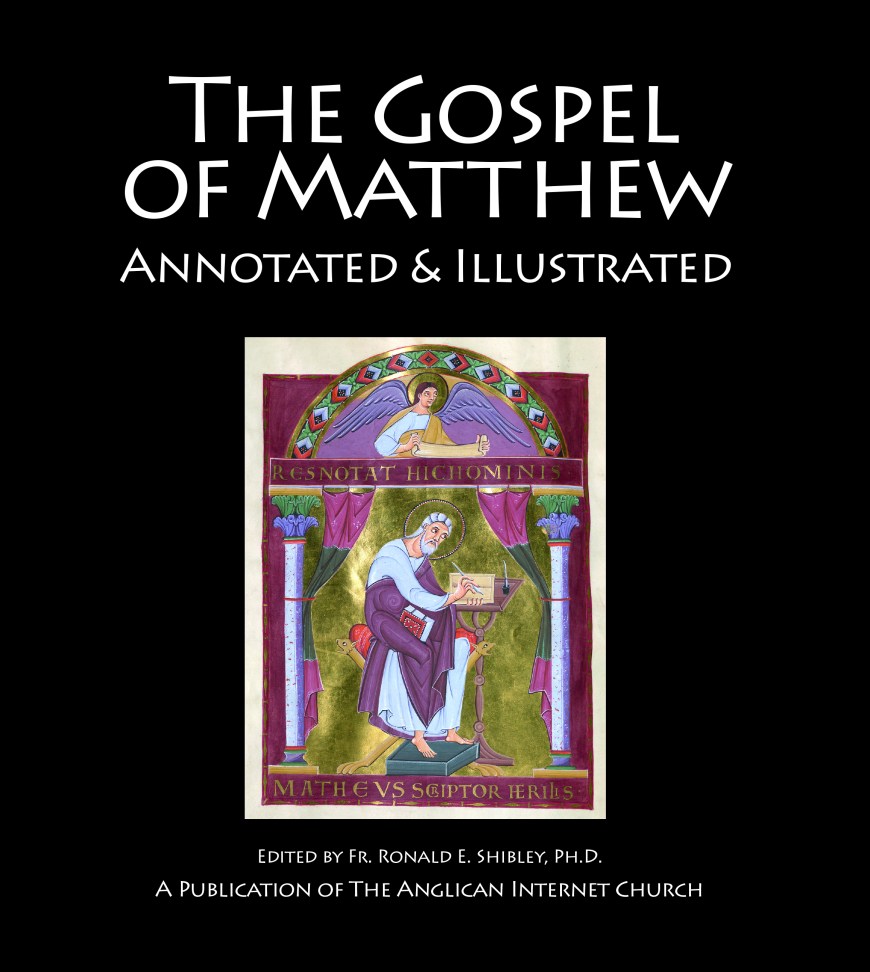
Whitsunday/Pentecost

Welcome to this first entry in a new series of posts on topical themes. These themes may be focused on timely events of the week or upon details and further exposition on the Collect, Epistle or Gospel reading for any particular Sunday or on any topics that seems relevant, especially those which, in my view, are not receiving sufficient attention in the media.

For this first posting, I offer a selection of prayers from the Third Hour (9:00 A.M.) office in Part Three in the AIC Bookstore Publication, Hear Us, O Lord: Daily Prayers for the Laity. This 3-part volume is available in paperback through my Amazon Author Central page, with a summary on the AIC Bookstore page. Part One, Awesome Prayers to Our Awesome God, includes prayers on the themes of Praise & Thanksgiving; Protection & Deliverance; Penitence; Righteousness; Songs of Praise; and Other Prayers. Part Two includes a selection catnap, or short prayers, based upon Psalm verses.

Great is the day of Sunday;
And blessed is he who keeps it in faith;
Because on it Our Lord rose from the grave;
And the nations confessed the Father, the Son and the Holy Spirit.
Great is the Lord and greatly to be praised.
Halleluia! Halleluia! Halleluia!
Source: Syrian Antiochian Orthodox Church

Creator of the morning, who drove out the darkness and brings light and joy to thy creation; create in us habits of virtue and drive from us all darkness of sin; give us light and joy by the glorious rays of thy grace, O Lord our God, for ever and ever. Amen.
Source: Syrian Jacobite prayer, 5th C. or earlier.

For this first posting I offer a link to an interesting article posted on May 26th in The Catholic Herald. I hope that the article gives us evidence on why the new Roman Catholic Pope whose the name, Leo XIV. In a later post I will explain and discuss the concepts of apophatic and cataphatic prayers which are implied in the article linked below.

https://thecatholicherald.com/for-monday-why-pope-leo-xivs-gentle-criticism-of-contemporary-western-liturgy-is-a-vital-wakeup-call/

As always, thank you for your interest and support. Glory be to God for all things! Amen!
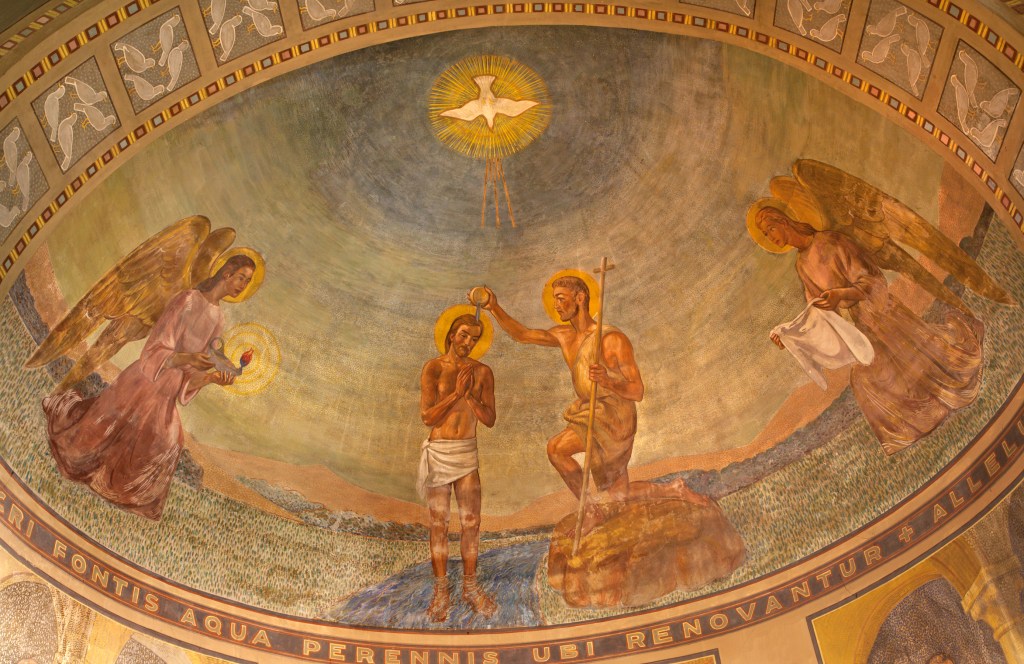
Fifth Sunday after Easter

For Fifth Sunday after Easter, also known as Rogation Sunday, Archbishop Cranmer again turned to the Gelasian Sacramentary as the source for the Collect for the Day. The first line in the Collect is a paraphrase of James 1:17, which was part of the Epistle reading for Fourth Sunday after Easter. The Christian tradition of praying for bountiful harvests is traced to practices endorsed by Pope Leo the Great in the late 5th C. Rogation comes from the Latin verb rogare, meaning to ask. In the English Church the first Rogation liturgy was used in the late 12th-early 13th C. in the Sarum Rite. Sarum is modern Salisbury in Wiltshire in southwest England.

O LORD, from whom all good things do come;
Grant to us thy humble servants, that by thy holy inspiration
we may think those things that are good, and by thy
merciful guidance, may perform the same, through
Jesus Christ our Lord. Amen.

The Epistle reading, James 1:22-27, another example of Christian “wisdom” writings during the Sundays after Easter, opens with the famous advice to Christians to “be doers of the word, and not hearers only and ends with other sage advice, to “keep oneself unspotted from the world.”

Christ Pantokrator, apse mosaic, Cathedral of Cefalu, Sicily, 11th C. with inscriptions in Greek and Latin. Christ offers a blessing with his right hand and hold the Gospel of John, open to the “I Am the Light of the world” (John 8:12) in his left hand. © Can Stock Photo, Inc./VLADJ55

The Gospel reading, John 16:23-33, is the third and last reading from the unique Gospel of John in Eastertide. Like the earlier readings for the Sundays after Easter, the words were spoken by Jesus after the Last Supper on the evening of Maundy Thursday. In verse 26, Jesus grants to the faithful the right to pray to the Father in HIs name and acknowledges that He came forth from the Father. Jesus closes with words that are both a forewarning and a comfort: “In Me you may have peace. In the world you will have tribulation; but be of good cheer, I have overcome the world” (NKJV text). These readings along with the readings for Fourth Sunday after Easter, Ascension Day and Sunday after Ascension are discussed and illustrated in Episode Three in our video series, Eastertide: From Resurrection to Ascension, linked from the Bible Study: New Testament page. The audio version in MP3 format is linked from the Podcast Archive page. The readings from John 16, although unique to the Gospel of John, are not easily illustrated and therefore were not commonly represented in Christian art across the centuries. Instead, for this fifth and final of the numbered Sundays after Easter, I have used another Christ Pantokrator image, an Apse mosaic at the Cathedral at Cefalu on the northern coast of Sicily east of Palermo, created under commission from Roger II, the Norman king of Sicily. These Byzantine-style mosaics in the Cathedral were commissioned in the 11th C. but were not completed until the 13th C., with the Christ Pantokrator image completed around 1150 A.D. Under the Christ Pantokrator image is the Blessed Virgin Mary flanked by the Archangels Gabriel (left) and Michael (right). In a wider view of the area under the Apse mosaic, the Archangels Raphael and Uriel are shown.

During the Sundays after Easter there have been a number of new subscribers to these blog postings. I thank each of you, as well as earlier subscribers, and invite other viewers to “follow” this blog by clicking the “Follow Fr. Ron’s Blog” and the WordPress logo. You will receive an email from WordPress for each future posting. Next Sunday, Sunday after Ascension, will be the last in this series of postings based upon the Collect and appointed readings. All the other Sundays on the Church Calendar already have appropriate postings during the last two years. My focus in Fr. Ron’s Blog will shift to theme-based commentaries, some based on appointed readings, others based on interesting topics currently under-represented in earlier posts, and anything else that I believer would help site visitors better understand the Anglican worship tradition and Christian art over the centuries.

As always, thank you for your interest and support.

Third Sunday after Easter

For Third Sunday after Easter the Collect was adapted by Archbishop Cranmer from the Leonine Sacramentary, one of the three primary sources in the Roman Catholic tradition. It is the oldest Collect in the 1928 Book of Common Prayer. Instead of the more commonly used phrase, Church Universal, the collect refers to “Christ’s Religion.” It reflects the Christian belief concerning the merciful nature of God the Father in offering His creation a path to return to “the way of righteousness.” This understanding was incorporated into the Sacrament of Confession.

ALMIGHTY God, who showest to them that are in error the light of truth,
that they may return unto the way of righteousness: Grant unto all those
who are admitted into the fellowship of Christ’s Religion, that they may avoid
those things which are contrary to their profession, and follow all such things
as are agreeable to the same; through Jesus Christ our Lord. Amen.

The Epistle reading, 1 Peter 2:11-17, actually comes before the reading for last week’s reading for the Second Sunday after Easter. In the closing verse, St. Peter urges Christians to “love the brotherhood. Fear God. Honour the King.” The phrase is part of the basis for the Prayer for the President of the United States and all in Civil Authority in the Anglican Evening Prayer office.

The Last Supper, illumination in tempera and gold on parchment, upper scene of two scenes on Maundy Thursday, Codex Bruchsal, circa 1220 A.D., which was produced for use at Speyer Cathedral in the Roman Catholic Diocese of Speyer, Germany. Ms. Codex Bruchsal 1, Folio 28r, Badische Landesbibliothek, Karlsruhe, Germany. CC by NC 3.0.

The Gospel reading, John 16:16-22, is one of six readings in Easter from the Gospel of John. It is the first of three readings from Chapter 16. The three readings are not presented in sequence. Verses 16-22 are presented before verses 5-11 (Fourth Sunday after Easter), with verses 23-33 presented on Fifth Sunday after Easter. The verses, which were spoken on the evening of Maundy Thursday, include one of Jesus’ several references to concepts of time. Here it is based on the Greek word, mikron (Strong’s Greek word # 3397), translated in the King James Version as “in a little while.” I discussed these verses and Jesus’ other uses of words focused on unique details in the Gospel of John, on this occasion concerning concepts of time, in Episode Forty-four in our Bible Study video series, New Testament: Gospels. The episode is linked from the Digital Library page, with the Podcast version linked from the Podcast Archive page. St. John records in verse 17 that his fellow Disciples were puzzled: “What is this that He says: ‘a little while?’ We do now know what He is saying” (NKJV text). In the reading for Fifth Sunday after Easter from John 16:23-33, Jesus uses another Greek word referring to time: “hora,” meaning “hour” (Strong’s Greek word # 5610), which refers to a specific amount of time or occasion when something will happen. The image above is part of Illustration No. 67 in our Bookstore publication, The Gospel of John: Annotated & Illustrated, available through my Amazon Author Central page, with summary information on the AIC Bookstore page.

As always, thank you for your interest and support. Glory be to God for all things! Amen!
First Sunday after Easter

This week I return to the usual formula of discussion of the Collect, Epistle & Gospel readings. All the readings for Easter Sunday and a short history of the Feast of Easter are discussed in Episode One in our video series, Eastertide: From Resurrection to Ascension, linked from the Digital Library page with Podcast Homilies for each linked from the Podcast Homilies page. Readings for Easter Monday and Easter Tuesday and First Sunday after Easter are discussed and illustrated in Episode Two of the same series. During Eastertide, the possible collects include two original compositions by Archbishop Cranmer, one based on the Church of England’s Vespers office that was derived from the writings of The Venerable Bede, one from the Gelasian Sacramentary, four from the Gregorian Sacramentary, and one from the Leonine, these latter three being the primary sources in the Roman Catholic tradition.

The Collect for First Sunday after Easter was composed for the 1549 Book of Common Prayer by Archbishop Cranmer based upon John 3:16, Romans 4:25 and 1 Corinthians 5:7-8. The verse from 1 Corinthians is one of the three verses which replace the Venite in Morning Prayer on Easter Sunday.

ALMIGHTY Father, who hast given thine only Son to die for our sins,
and to rise again for our justification;
Grant us so to put away the leaven of malice and wickedness,
that we may always serve thee in pureness of living and truth;
through the merits of the same thy Son Jesus Christ our Lord. Amen.

The Epistle reading, 1 John 4:4-12, includes a preview of the coming of the Holy Spirit at Pentecost, St. John’s bold statement in verse 4 that faith has overcome the world and ends with his sage advice in verse 10 concerning the Christian obligation to accept the certainty of the word, or “testimony,” of God over the opinions of men.

The Confession of Saint Thomas, also known as The Incredulity of Thomas, egg tempera, silver and gold icon on panel, Dionysius, circa 1500 A.D. Dionysius was the last of the great Russian icon painters of the 14th and 15th C. Wikimedia Commons.

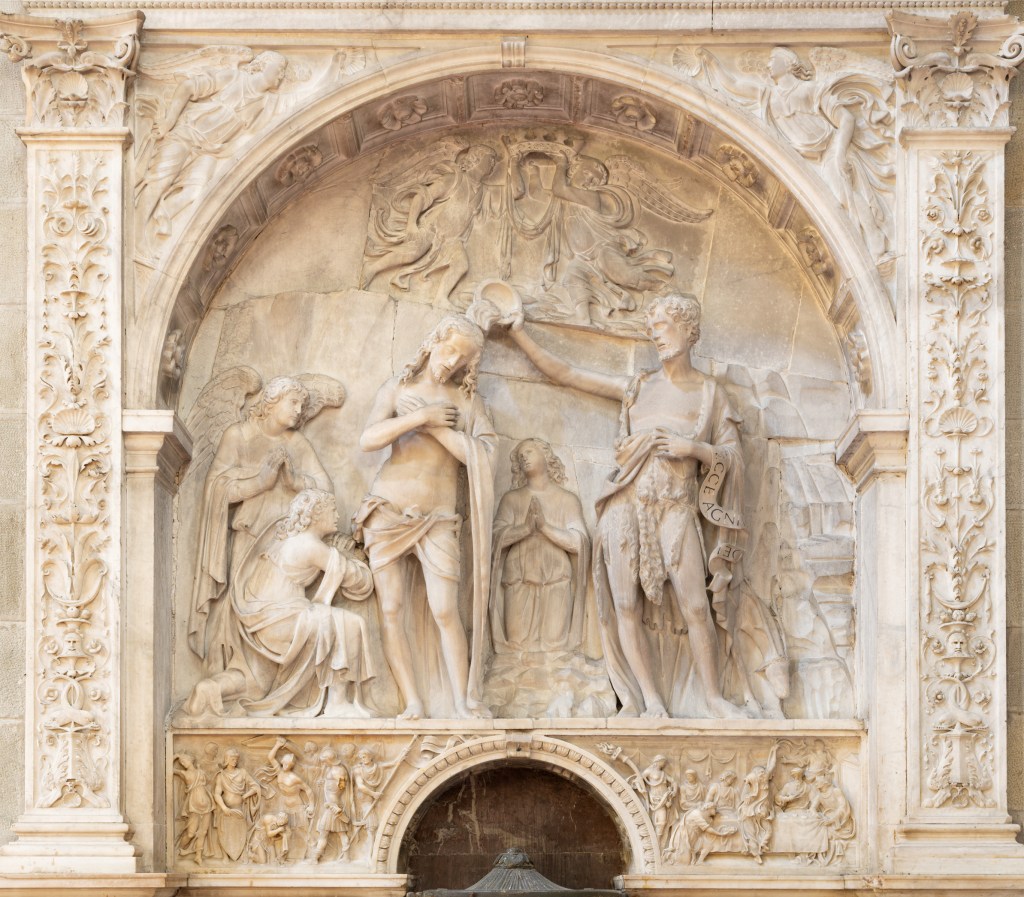
The Gospel reading, John 20:19-23, as with the Epistle reading from the pen of John the Evangelist, or his dictation to his scribe, Prochorus. The subject is the post-Resurrection appearance of Jesus to ten disciples assembled in a closed room. It includes several blessings upon the Apostles and, in verse 23, the Scriptural basis for the Sacrament of Confession, or Penance: “If you forgive the sins of any, they are forgiven them; if you retain the sins of any, they are retained.” The illustration of Saint Thomas, commonly known as Doubting Thomas, appears as Illustration No. 59 in our Bookstore Publication: Easter: The Resurrection of Our Lord in Scripture, Art & Christian Tradition. It is one of five illustrations in Chapter Six, which covers a series of events late on Easter Day and the following eight days as described in the four Gospel accounts. The volume, with 117 illustrations, is available through my Amazon Author Central page, with the cover and a summary of the book on the AIC Bookstore page.

As always, thank you for your interest and support. Glory be to God for all things! Amen!
Sixth Sunday in Lent (Palm Sunday)

The Sixth Sunday in Lent, the final Sunday in the season, is commonly known as Palm Sunday but officially is labelled as “the Sunday next Before Easter” in the 1928 Book of Common Prayer. For the occasion, for the 1549 Book of Common Prayer, Archbishop Cranmer once again relied upon a prayer from the Gregorian Sacramentary. As notes in earlier posts, the Gregorian Sacramentary is one of the three primary sources in the Roman Catholic tradition.

The celebration of Palm Sunday began in the Western Church after the election of Constantine as Holy Roman Emperor, and his conversion to Christianity, in the early 4th C., the subsequent relocation of the center of gravity for the Church to Constantinople, and later still, the many good works of his mother, Helen. Her actions helped revive and expand the knowledge of Christianity’s history, but she also built many churches and basilicas in the Holy Land. It was her leadership that led to the beginning pilgrimage to the Holy Land as a Christian obligation, especially for those with the means to do so. Although known as Palm Sunday, it should be noted that New Testament Scriptural accounts of the Entry into Jerusalem refer to “tree branches” and to garments being thrown in Jesus’ path. The use of palms is of later origin and is based upon an Old Testament practice of palm usage in celebrations, especially those celebrating military victories. In regions where palm branches are not available other local flowers and branches of trees are used, such as willows, olive and yew trees. The final phrase in the Collect for Palm Sunday was written by Archbishop Cranmer.

ALMIGHTY and everlasting God, who, of thy tender love toward mankind,
hast sent thy Son, our Saviour Jesus Christ, to take upon him our flesh,
and to suffer death upon the Cross, that all mankind should follow the example of His great humility;
Mercifully grant, that we may both follow the example of His patience, and also be made partakers of His Resurrection;
through the same Jesus Christ our Lord. Amen.

The epistle reading, Philippians 2:5-11, is another of Pauline authorship and is the Scriptural source for the many Christian doctrines and of the tradition of bowing and making the sign of the Cross when approaching the altar: “Wherefore God also hath highly exalted, and given him a name which is above every name: that at the name of Jesus every knee should bow, of things in heaven and things in earth, and things under the earth; and that every tongue should confess that Jesus Christ is Lord, to the glory of God the Father (verses 9-11).

The Crucifixion of Christ, illumination in tempera and gold on parchment, Rabula Gospels, the oldest surviving image of the Crucifixion, produced in present-day Syria in 586 A.D., from the collection of the Biblioteca Medicea-Laurenziana, Florence, Italy. The image is the upper of two scenes. This version is from The Yorck Project: 10,000 Masterworks. Public Domain.

The Gospel reading, Matthew 27:1-54, is the fourth, the last, and by far the longest reading, from the Gospel of Matthew in Lent. In the Anglican tradition, unlike in most other denominations, the reading is not the Scriptural/historical account of the Entry into Jerusalem (Matthew 21:1-13, which is read on the First Sunday in Advent). It is instead the Evangelist’s long form account of the trial, sentencing, Crucifixion and death of Christ upon the Cross. As noted by Massey Sheperd in his Commentary on the Book of Common Prayer, it is the first of the New Testament accounts of the Passion of our Lord which area printed in the BCP for the days between Palm Sunday and Good Friday. The central section of the image above is Illustration No. 82 in The Gospel of John: Annotated & Illustrated, available through my Amazon Author Central page. Many other versions of the Crucifixion, including illuminations, icons, mosaics and frescoes, are included in the publications in the same series covering the Gospels of Matthew, Mark and Luke, likewise available through my Amazon Author Central page. Summary information about all four volume, including pagination, price and content is found on the AIC Bookstore page.

These readings and the Collect are discussed and illustrated in Episode Three in our Christian Education Video series, Lent: the Season of Penitence, which is linked from the Digital Library page. The episode also includes discussion of the important part St. Helen played in the discovery of plaque upon the cross (THIS IS JESUS THE KING OF THE JEWS) and remnants of the Cross in the early 4th C. and the start of pilgrimages from the Western into the Holy Land. My podcast homily for Palm Sunday is linked from the Podcast Homilies page.

As always, thank you for your interest and support. Glory be to God for all things! Amen.