It has been a challenge and a pleasure to work on the upgrades to the AIC Bible Study Video series, New Testament: Gospels. For more than a year I have been occupied with finding new historic images, improving the content, especially filling out the Scriptural quotations in the original version, fixing errors in spelling and syntax and other shortcomings, and, finally, making the series compatible with all the other series now offered through links on this site.
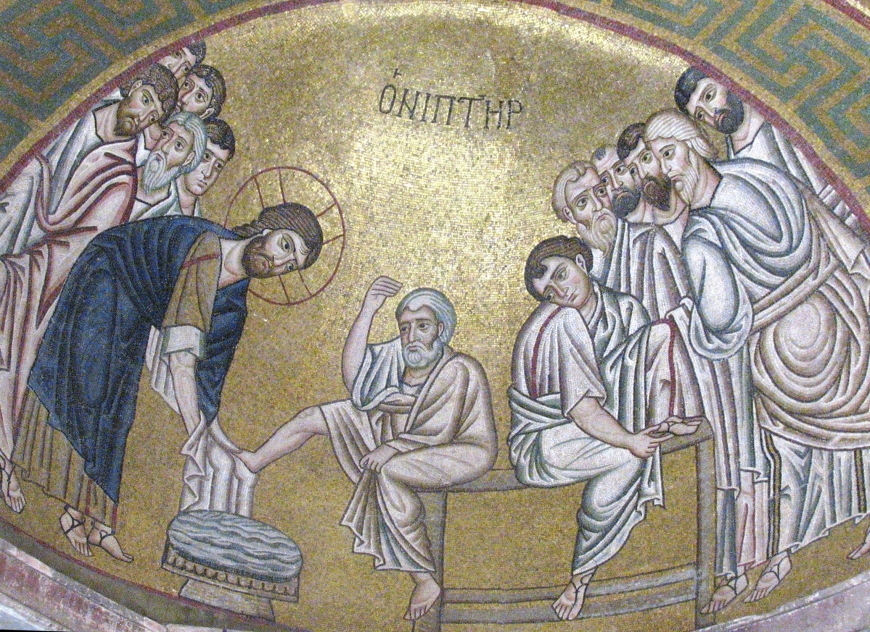
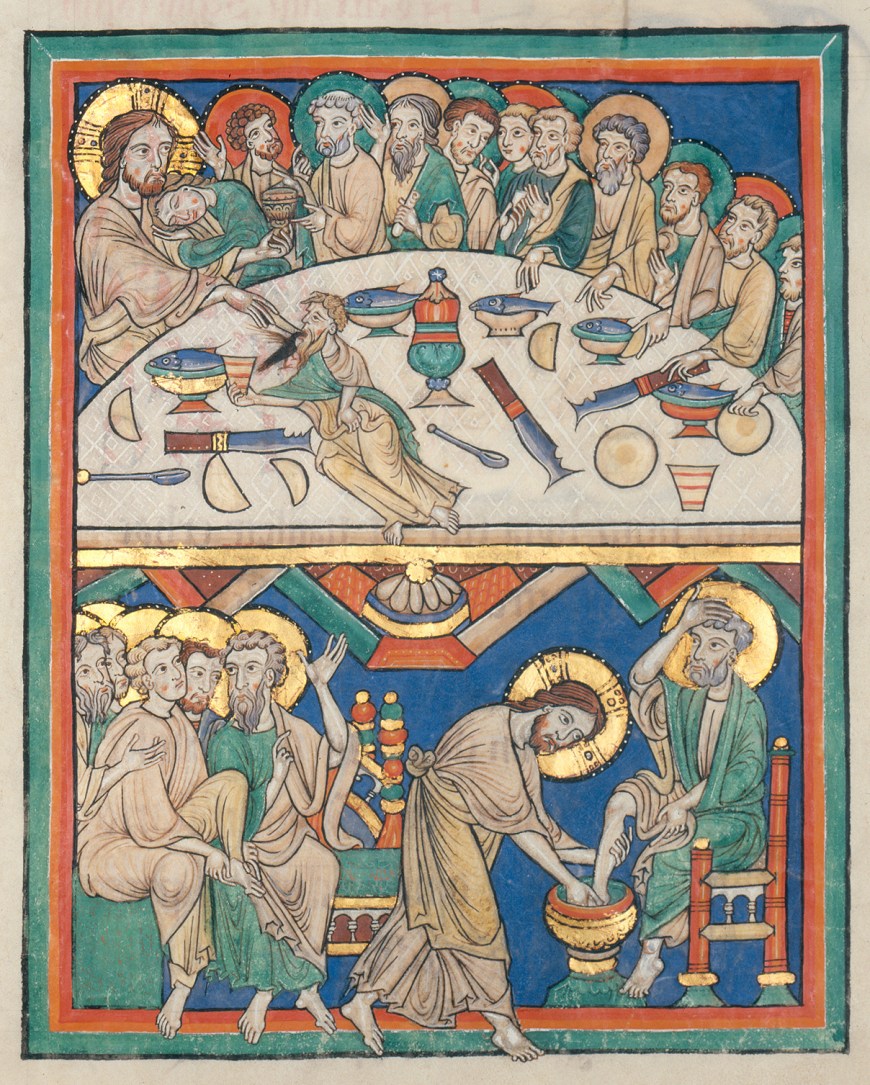
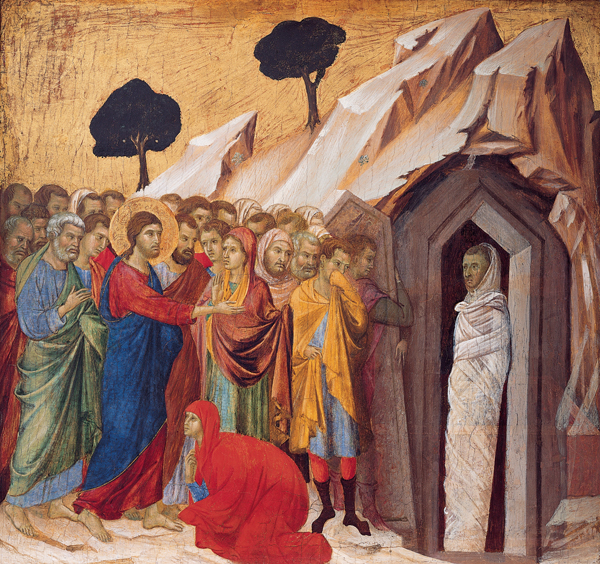
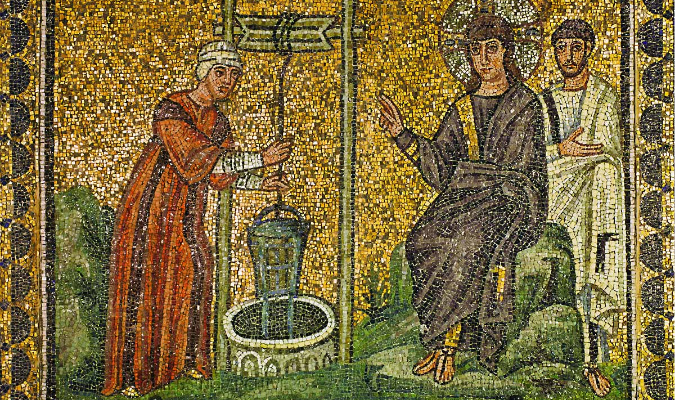
Now, just days before the start of another Church Year on First Sunday in Advent, I complete the upgrades with the final two episodes, Episode Forty-four and Episode Forty-five. They are focused on five unique events in the Gospel of John: the Visit of Nicodemus; the Restoration of the Adulterous Woman; Foot Washing on Maundy Thursday; the institution of the Sacrament of Penance/Confession; and, finally, Jesus’ Seaside Post-Resurrection Breakfast with the remaining Disciples.
Watch: Episode Forty-four. Listen: Podcast – Episode Forty-four.
Watch: Episode Forty-five. Listen: Podcast – Episode Forty-five.
I have in mind several projects for A.D. 2020, but am not ready to provide details.
Please consider sharing this blog with friends, family and others interested in traditional Anglican liturgy and study.
As always, thank you for you interest and support. May God bless you in all that you do in His Name! Amen! Glory be to God for all things! Amen!

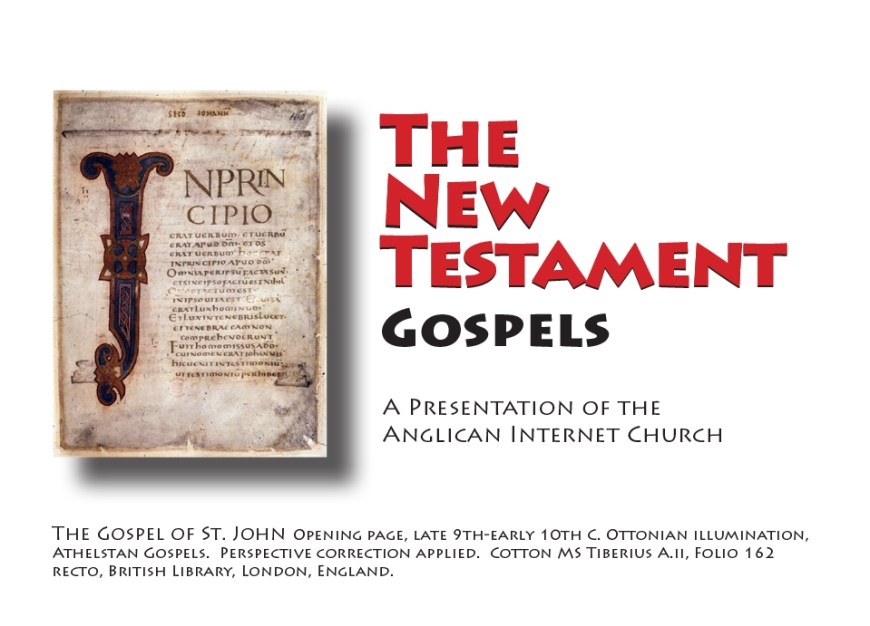 Episode Twenty-six and Episode Twenty-seven, the first of twenty focused on the Gospel of St. John in the AIC Bible Study Video series, New Testament: Gospels, were uploaded this week. In Episode Twenty-six I explore the history, authorship & themes and offer some suggestions on how to read the Gospel of St. John, plus a reading of the first five verses of John 1,the opening words in St. John’s ground-breaking Prelude. In Episode Twenty-seven I read and discuss the whole Prelude: John 1:1-18. Among the many examples of historic art depictions of St. John is a remarkable and colorful example from the Carolingian era of the revived Holy Roman Empire in western Europe. The manuscript, The Benedictional of Aethelwold, a service book for the Mass by the Bishop of Winchester, based on the Gallican and Gregorian Sacramentaries, was protected by various noble families after the English Reformation. It was acquired from the Duke of Devonshire, Chatsworth, Devonshire, by the British Library in 1958 A.D. Below is the only illumination of a Gospel author that has survived, St. John with the traditional Eagle symbol.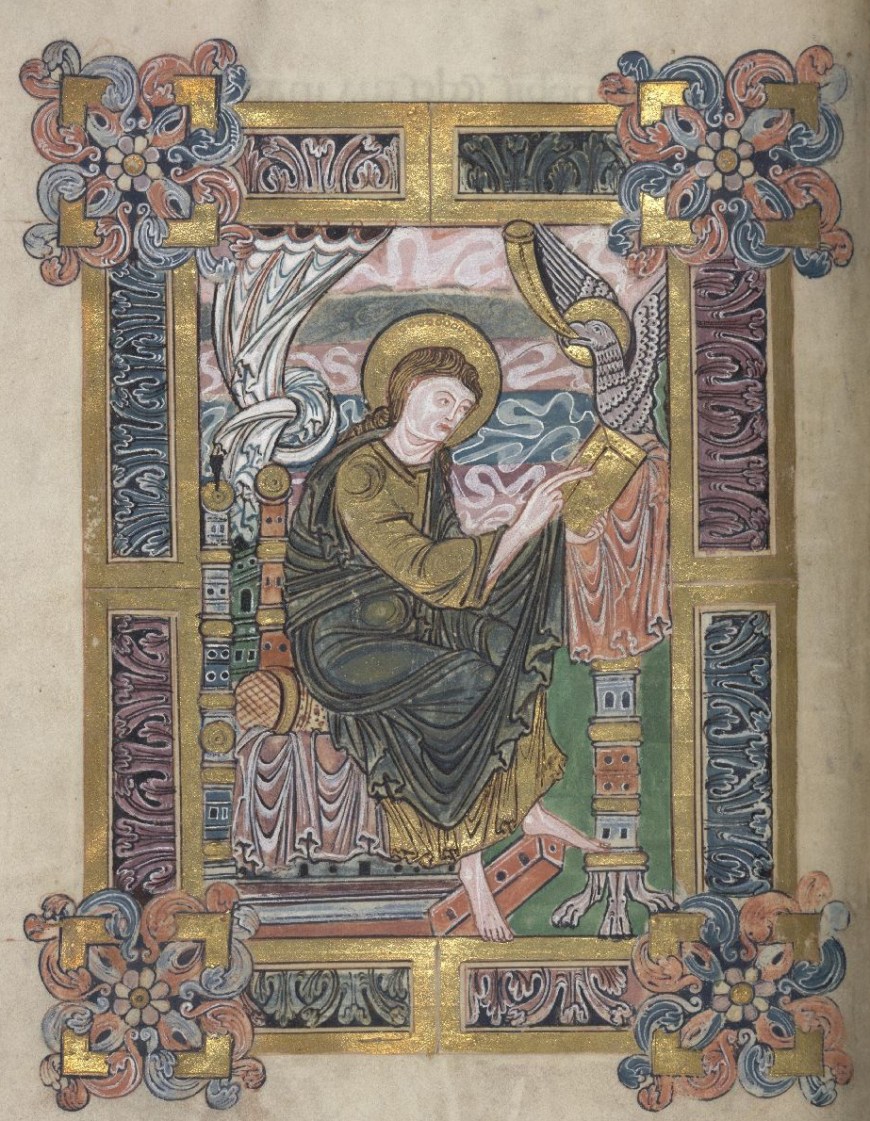

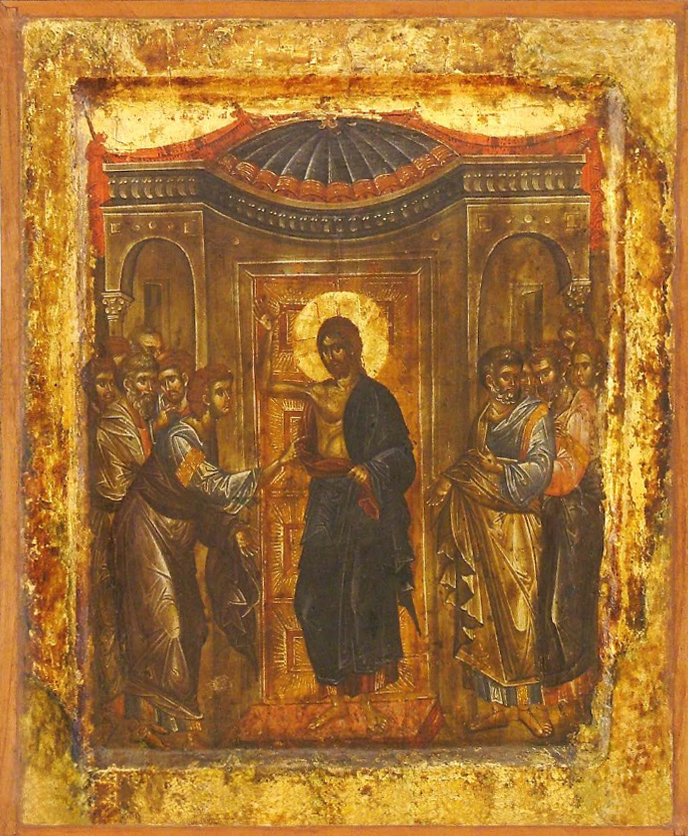
 I’m pleased to announce the uploading for another revised episode, Episode Twenty-one in the AIC Bible Study Video series, The New Testament: Gospels. Content is Part 2 of 6 in Unique Content in the Gospel of St. Luke, including Sending the Return of the Seventy and Jesus’ encounter with Mary and Martha at Bethany.
 Anglican Internet Church