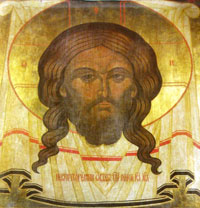
Apologies to viewers for the late posting of the logo and links for the start of Lent. I was traveling without my computer and could not complete the changes until my return. The Welcome/Home page now includes both the seasonal image and the three episode links.
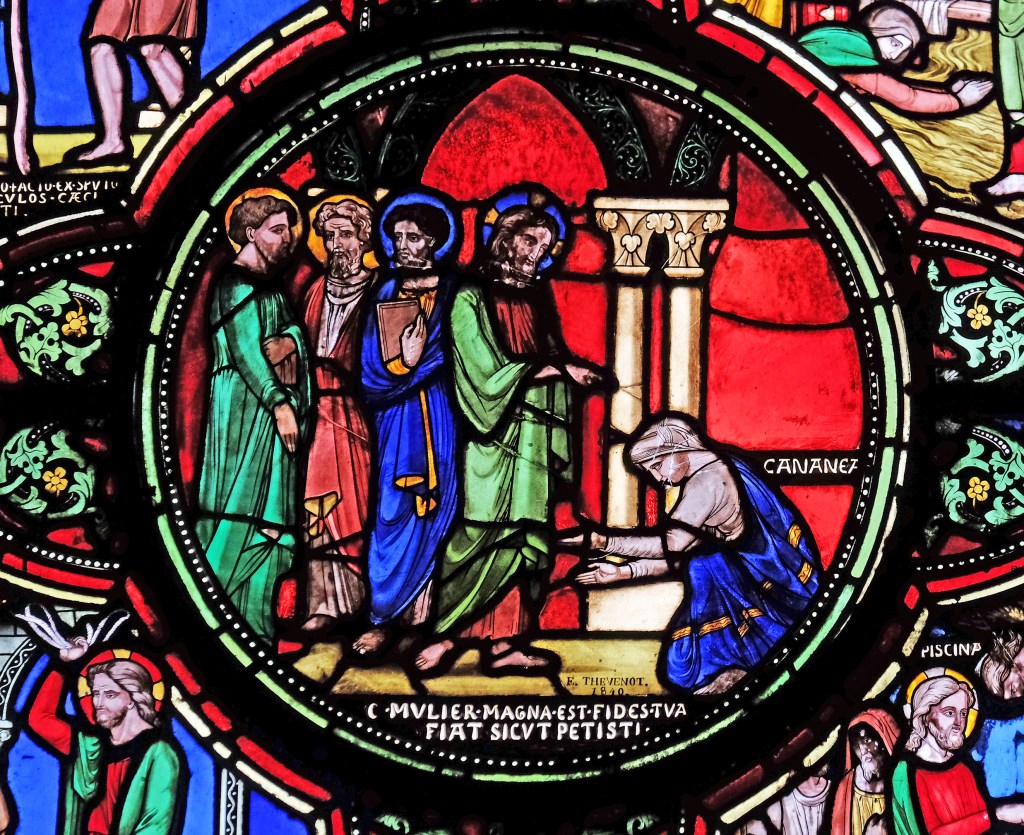
For Second Sunday in Lent Archbishop Cranmer adapted a Collect from the Gregorian Sacramentary (10th C.) on the theme of mankind’s inherent lack of power to do save itself combined with a plea for protection from adversity and from evil thoughts. The Epistle reading, 1 Thessalonians 4:1-8, contains more of St. Paul’s teachings on the Christian virtues, especially on mastering passions. The Gospel reading, Matthew 15:21-28, the Evangelist’s account of Jesus’ encounter with the “Woman of Canaan.” In Episode Two of the AIC Christian Education Video series, Lent: the Season of Penitence, I discuss the differences between this account by St. Mark in which she is called the “Syro-Phoenician Woman.” In both versions, the woman calls Jesus by the titles “Lord” and “Son of David.” The audio-only version of Episode Two is linked from the Podcast Archive page. My Podcast Homily for Second Sunday in Lent based on the Holy Communion readings, is linked from the Podcast Homilies page. A second Podcast Homily for Second Sunday in Lent, based on the Psalm reading in Morning Prayer (Psalms 30 and 32), is linked from the Podcast Homilies-Morning Prayer page.
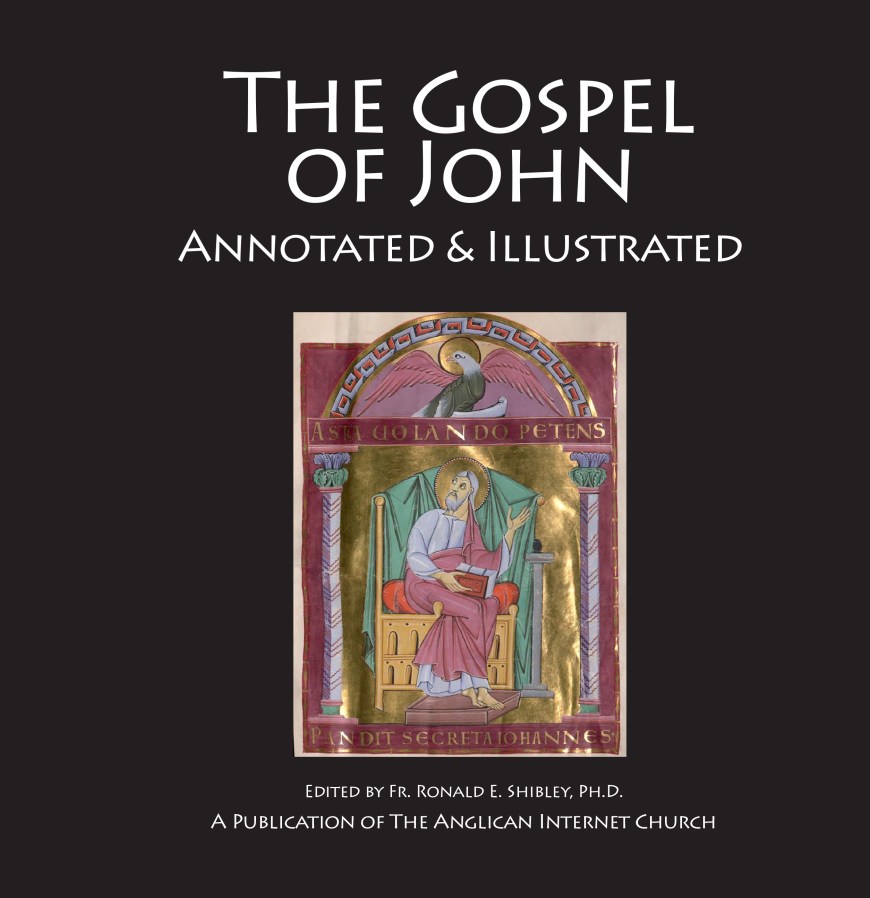
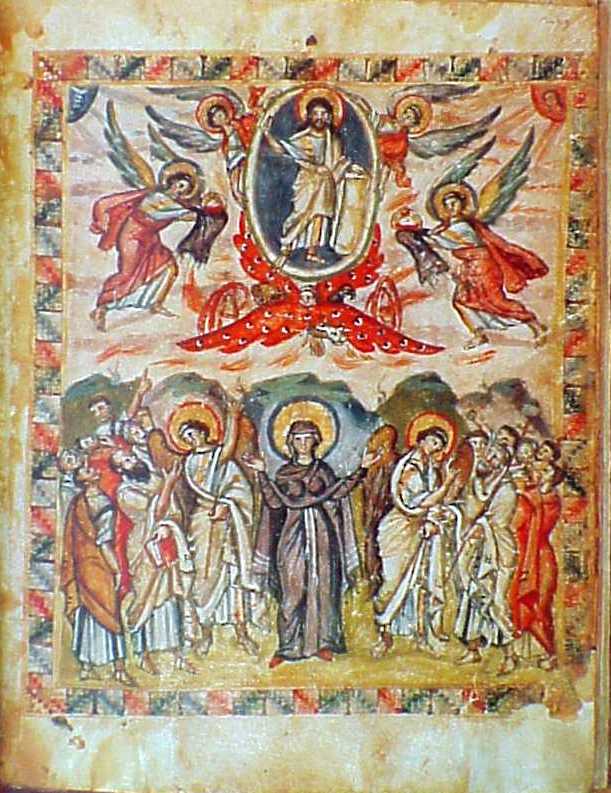
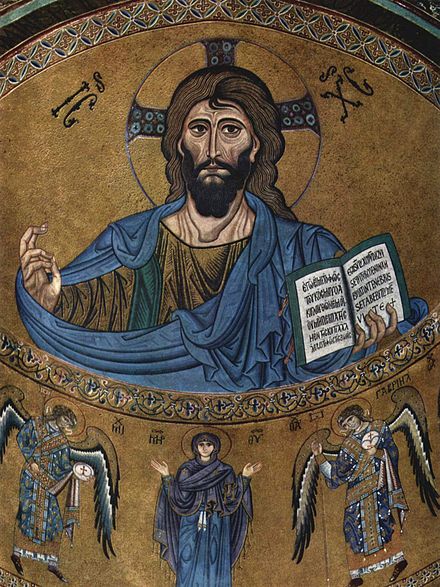
This week’s sampling from the 22 books among the AIC Bookstore Publications is The Gospel of John: Annotated & Illustrated. This volume was actually the first book of the Gospels which was published in the 8.5″ x 8.5″ format. It includes 86 images from a 5th mosaic to a 20th C. stained glass window. Images include many “illuminations” in gold or silver and egg tempera on parchment originally intended for the exclusive use of bishops and emperors. The entire text of St. John’s unique gospel is printed, with section-by-section commentary, using the New King James Version text. The text includes sixteen “special text boxes”: The Art of Illumination of Scripture; A Guide to Reading the Gospel of John; Angels in the Gospel of John; The Seven “Signs” in the Gospel of John; Numerology in the Gospel of John; Concepts of Time in the Gospel of John; “Jews” in the Gospel of John; “Abide” in the Gospel of John; “I AM” in the Gospel of John; Emotions of Jesus in the Gospel of John; “The Son of Man” in the Gospel of John; The New Commandment: “Love” in the Gospel of John; “Peace” in the Gospel of John; Names of the Holy Spirit in the Gospel of John; The Sacrament of Confession/Penance in the Gospel of John; and John Writing His Gospel (Constantinople, 1285 A.D.). 186 pages. $55.00. The book is available exclusively through Fr. Ron’s Amazon Author Central page, which we call the Virtual Bookstore. Additional information about all the AIC Bookstore Publications can be found on the AIC Bookstore page.
As always, thank you for your interest and support. We remain committed to keeping the valuable examples of Christian art across the centuries available on demand, 24/7 through this site’s postings, videos, podcasts and books. You are invited to subscribe to these periodic posts on topics of seasonal or special interest by clicking the “Follow Anglican Internet Church” logo in the right hand column. Glory be to God for all things! Amen!




 Anglican Internet Church