For Twentieth Sunday after Trinity the Collect is another of Archbishop Cranmer’s adaptations from the Gelasian Sacramentary (Paris, c. 750 A.D.). In this case the original Cranmer collect has been modified twice, first for the 1662 Book of Common Prayer in which the Latin phrase “being propitiated” was replaced with “of thy bountiful goodness,” and, in 1789 A.D., in the first American Book of Common Prayer, the collect getting a new ending (“which thou commandest”). The word “cheerfully,” which replaced “with free hearts,” means willingly. For this change and more on the many changes made in the 1662 Book of Common Prayer, consult Massey Shepherd, Jr.’s landmark volume, The Oxford American Prayer Book Commentary, available online for download in pdf format. Shepherd comments upon the history and other details of each Collect, Epistle and Gospel reading.
O ALMIGHTY and most merciful God, of thy bountiful goodness keep us, we beseech thee,
from all things that may hurt us; that we, being ready both in body and soul,
may cheerfully accomplish those things which thou commandest; through Jesus Christ our Lord. Amen.
The Epistle reading, Ephesians 5:15-21, is from the next chapter in the canonical order of the Pauline epistles, once again to the congregation at Ephesus which the “Apostle to the Gentiles” established on his Second Missionary Journey. These seven verses offer St. Paul’s advice to Christians to let themselves be “filled with the Holy Spirit,” rather than being “drunk with wine” and include one his most memorable phrases describing the joy of the Christian faith: “speaking to yourselves in psalms and hymns and spiritual songs.” In the same vein, one of the greatest saints of the early Church, Athanasius of Alexandria, wrote in the 4th C. that “the art of singing effects harmony in the soul.” Many Anglican organizations include an appointed Psalm reading and Old Testament lesson placed just before the Epistle reading in Holy Communion. The participatory, that is, verse and response, reading of the Psalm should be part of every Anglican service and not just the Morning and Evening Prayer services.
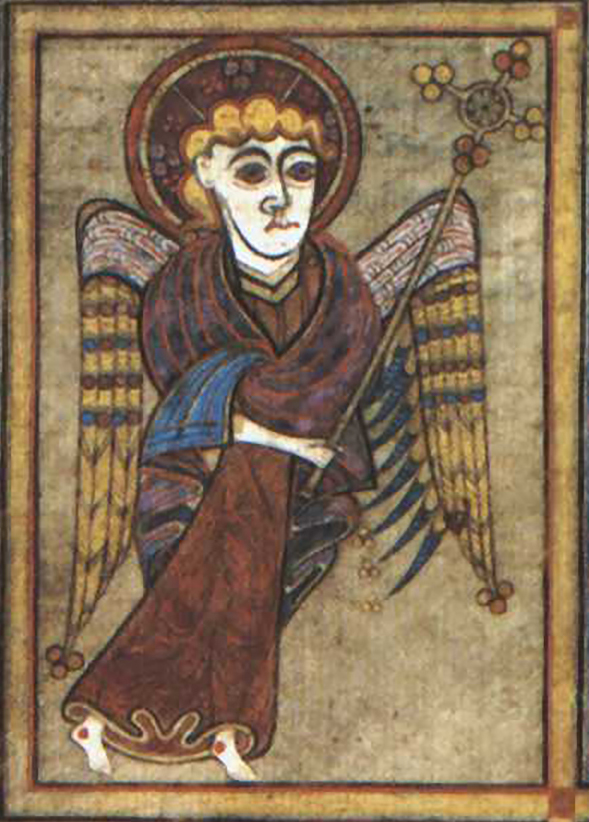

The Gospel reading, Matthew 22:1-14, records another event in the week before the arrest, trial and crucifixion of Christ, being St. Matthew’s record of the Parable of the Wedding Feast, also known as the Parable of the Great Supper. The event, also recorded in Luke 14:15-24 took place just two days before Maundy Thursday. This is the sixth of eight readings from St. Matthew’s Gospel in the Whitsunday/Trinitytide cycle. There have been many explanations of the meaning of the phrases “highways,” which are searched for those who are worthy. Jesus provided an explanation in the final verse. Perhaps lost in the modern world is the tradition that the host provided the Wedding Garment which the guest in question was not wearing. The guest was confronted by the “king,” who pronounced “Bind him hand and foot, and take him away, and cast him into outer darkness; there shall be weeping, and gnashing of teeth.” Jesus closed the address with a warning, putting these words into the mouth of the offended king: “For many are called, but few are chosen.” (verse 14). The image of St. Matthew from the Book of Kells was used in Episode Eight in the AIC Christian Education Video series, Trinitytide: the Teaching Season. Another image by Jan Luyken from the Bowyer Bible, illustrating the opening verses in the Gospel reading, appeared as Illustration No. 80 in the AIC Bookstore Publication, The Gospel of Luke: Annotated & Illustrated. The book is available in paperback at my Amazon Author Central page.
As noted many times in earlier posts, the AIC web site offers teaching materials in all three categories as part of our WATCH | LISTEN | READ initiative. Curiously, the subject of individual learning preferences, that is, whether one prefers the written or spoken word or a visual version came up during a conversation with a nurse during my doctor’s visit this month. The offering of all three media is made possible by donations and by the book royalties for AIC Bookstore Publications which are contributed to the AIC. To enhance ease of use, all three media are linked from tabs at the top and bottom of all pages on this site. Please note that, depending upon the subject matter, videos are linked from either the Digital Library page (for the seasonal and topical videos) and the Bible Study/New Testament pages (for the Gospel and Revelation series).
One final note. Be of good cheer and do not let the bias of the corporate world and the media affect your confidence in, and reliance upon, traditional Church teachings. Your best defense against their c0mbined assault on Christianity — remembering that the Church has been under attack since the 1st C.– is to attend a local church where you can, receive Holy Communion regularly, and, when neither is possible, read Morning Prayer and Evening Prayer in the 1928 Book of Common Prayer or the daily “Hours” offices (First, Third, Sixth, Ninth hours plus Vespers and Compline), available in our publication, Hear Us, O Lord: Daily Prayers for the Laity.
As always, thank you for your interest and support. Glory be to God for all things! Amen!

 Anglican Internet Church
Published by